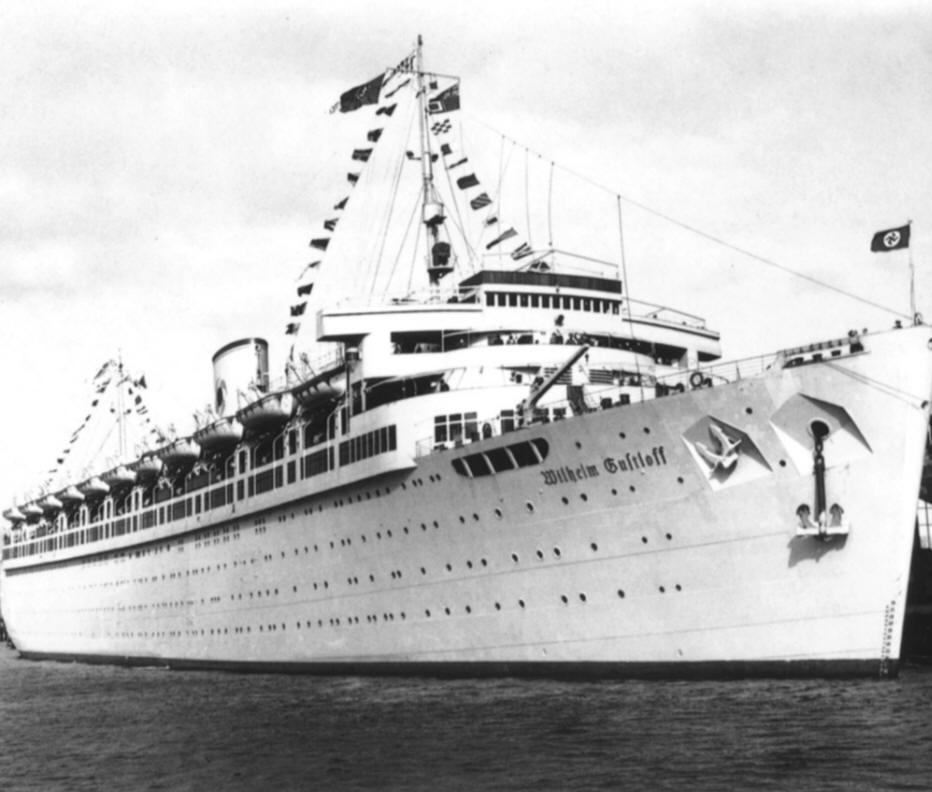

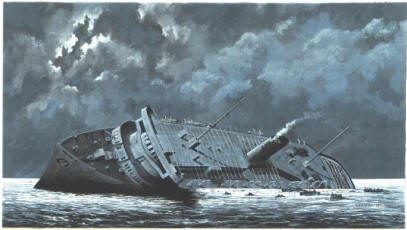
The sinking of the Wilhelm Gustloff is widely regarded as the deadliest single ship disaster in maritime history.
The figure given here is 9,343 dead — roughly six times the death toll of the Titanic.
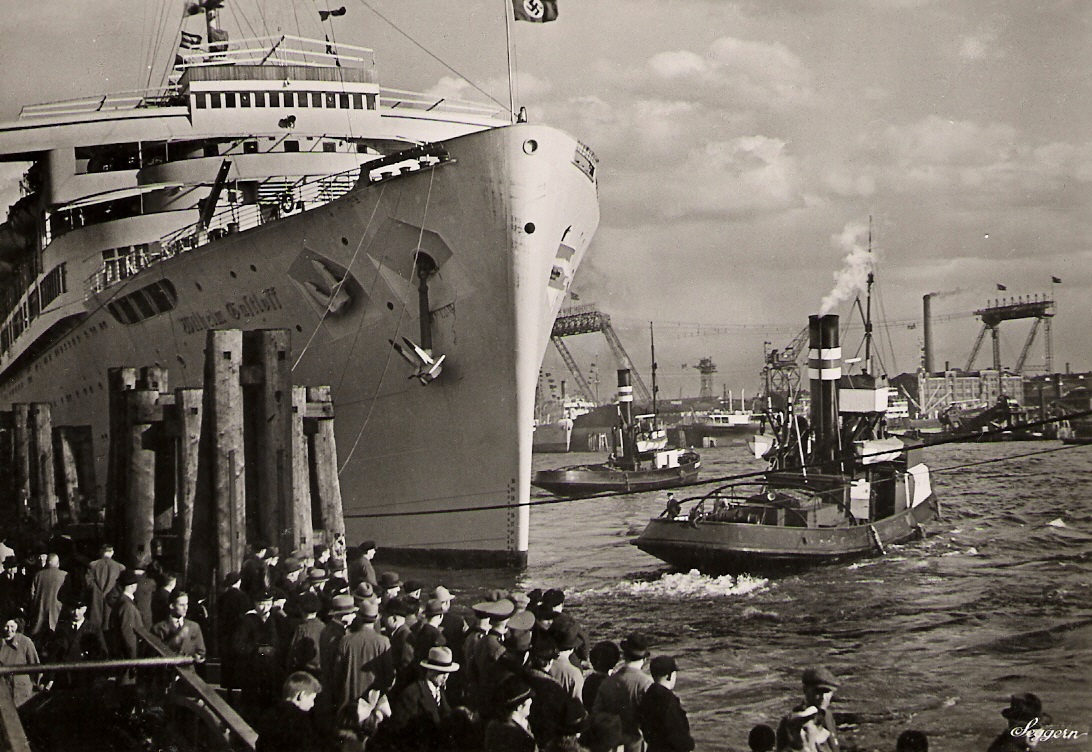
Refugees before embarkation
On 30 January 1945, shortly after 9 p.m., the overcrowded ship, carrying refugees — many of them women and children — as well as wounded personnel, was torpedoed by the Soviet submarine S-13.

Sketch of the Soviet submarine S-13
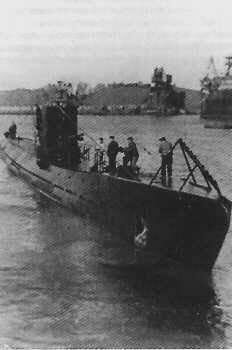
...and the submarine in reality
The ship was hit by several torpedoes and panic broke out on board. Many lifeboats were frozen in place and could not be launched. Desperate passengers jumped overboard, but survival in the freezing Baltic water was extremely unlikely. Most victims went down with the ship or drowned in the sea.
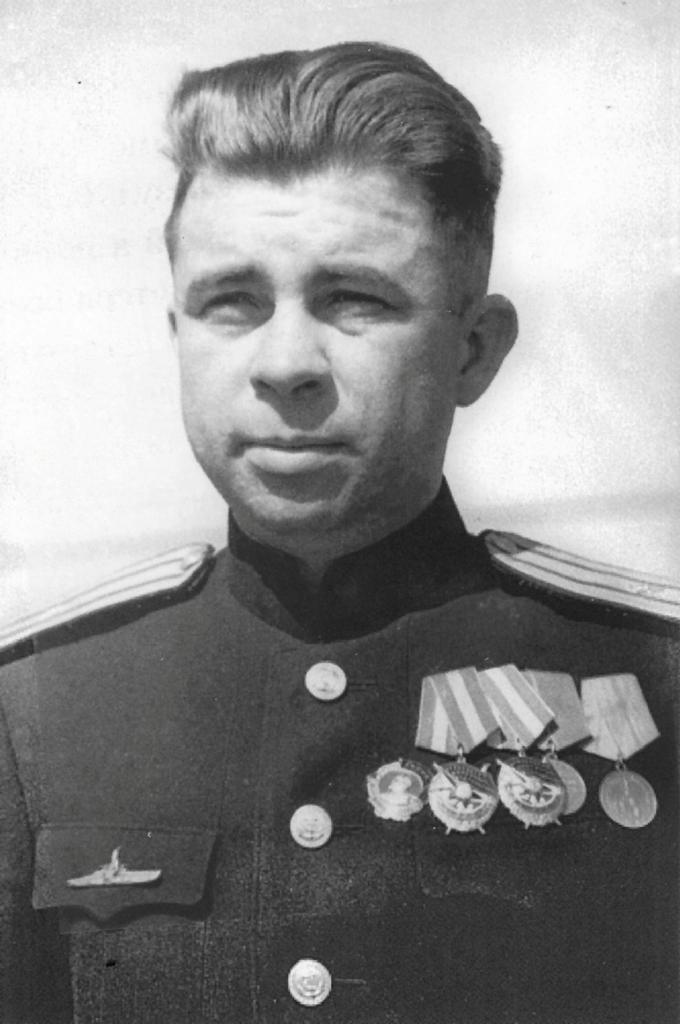
Alexander Marinesko, commander of the Soviet submarine S-13, was posthumously awarded the title Hero of the Soviet Union in 1990. A monument to him was later erected in Kaliningrad (formerly Königsberg).
9,343 dead
Scene from the film The Last Voyage of the Wilhelm Gustloff
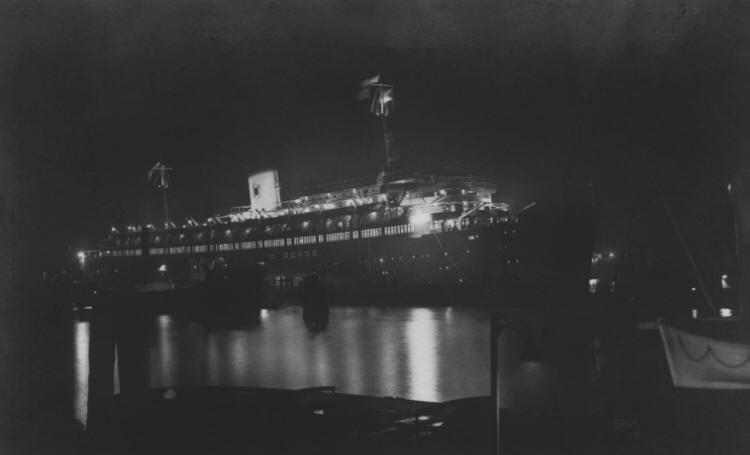
On the fateful night
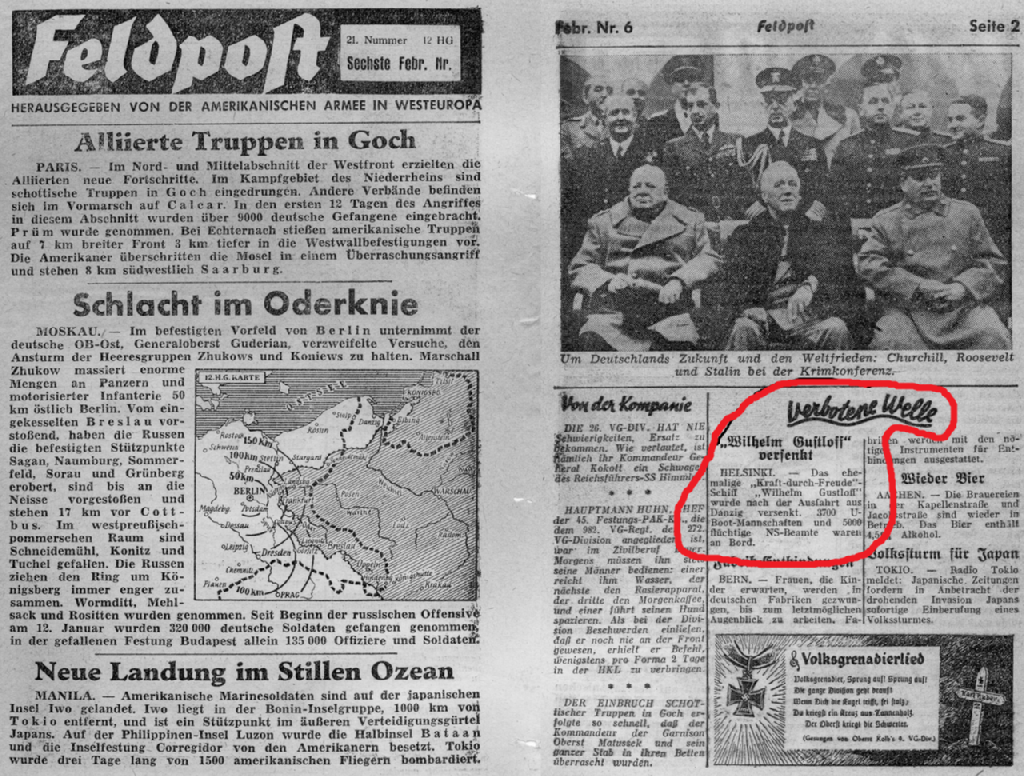
Brief report in a German-language U.S. Army propaganda publication on the Wilhelm Gustloff disaster