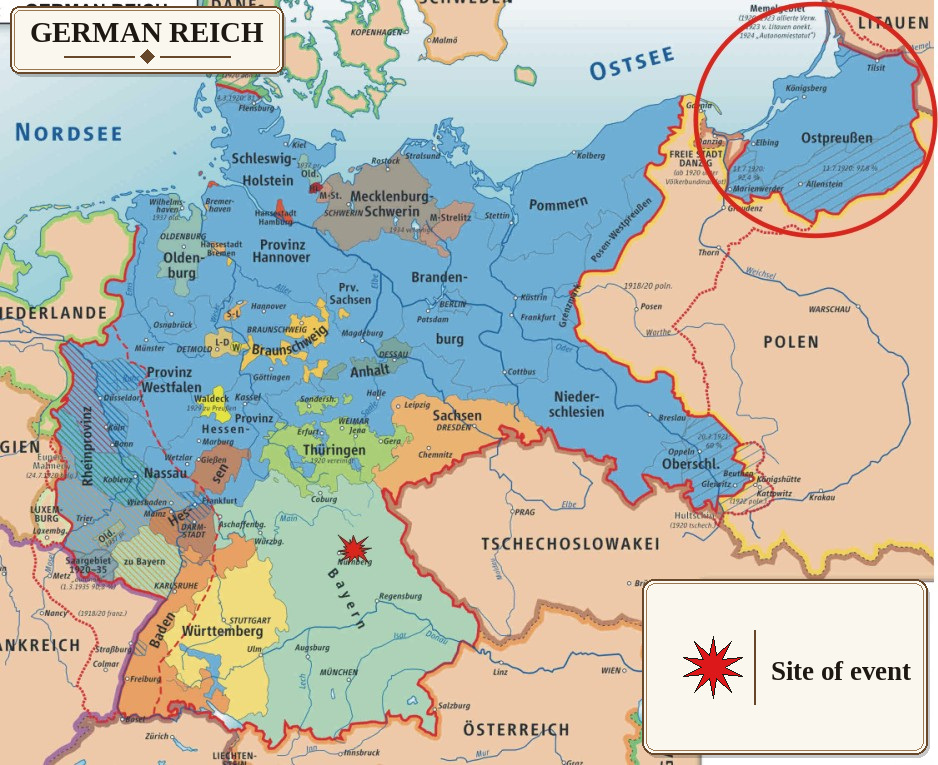
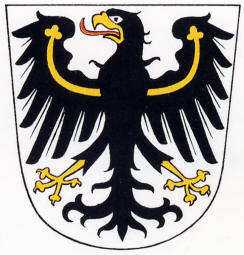
At the end of the war, 2,307,000 people were expelled from East Prussia; according to the figures presented here, 295,000 died during flight and expulsion.
Before the war, 2,719,000 Germans lived in 4,778 settlements in the province.
Major cities:
Königsberg, Allenstein, Braunsberg, Elbing, Goldap, Gumbinnen, Heilsberg, Insterburg, Marienburg, Memel, Neidenburg, Osterode, Rosenberg, Tilsit and Treuburg
East Prussia during peacetime
East Prussia in a nutshell
Provincial capital: Königsberg · Area: 36,993 km² · Population: 2,025,741 (1905) · Formerly: Duchy of Prussia
Including Königsberg and the Memel Territory, East Prussia covered an area larger than the Netherlands.
The narrow Memel Territory formed the north-eastern part of East Prussia. It was annexed by Lithuania in 1923 and reincorporated into the German Reich in 1939.
Today, the larger southern part of former East Prussia lies in Poland, while the northern area around Königsberg — now Kaliningrad — belongs to Russia. This gave the Soviet Union, and later Russia, a port and direct access to the Baltic Sea.
After Lithuania regained independence from the Soviet Union, the Kaliningrad region became a Russian exclave separated from the rest of the country.
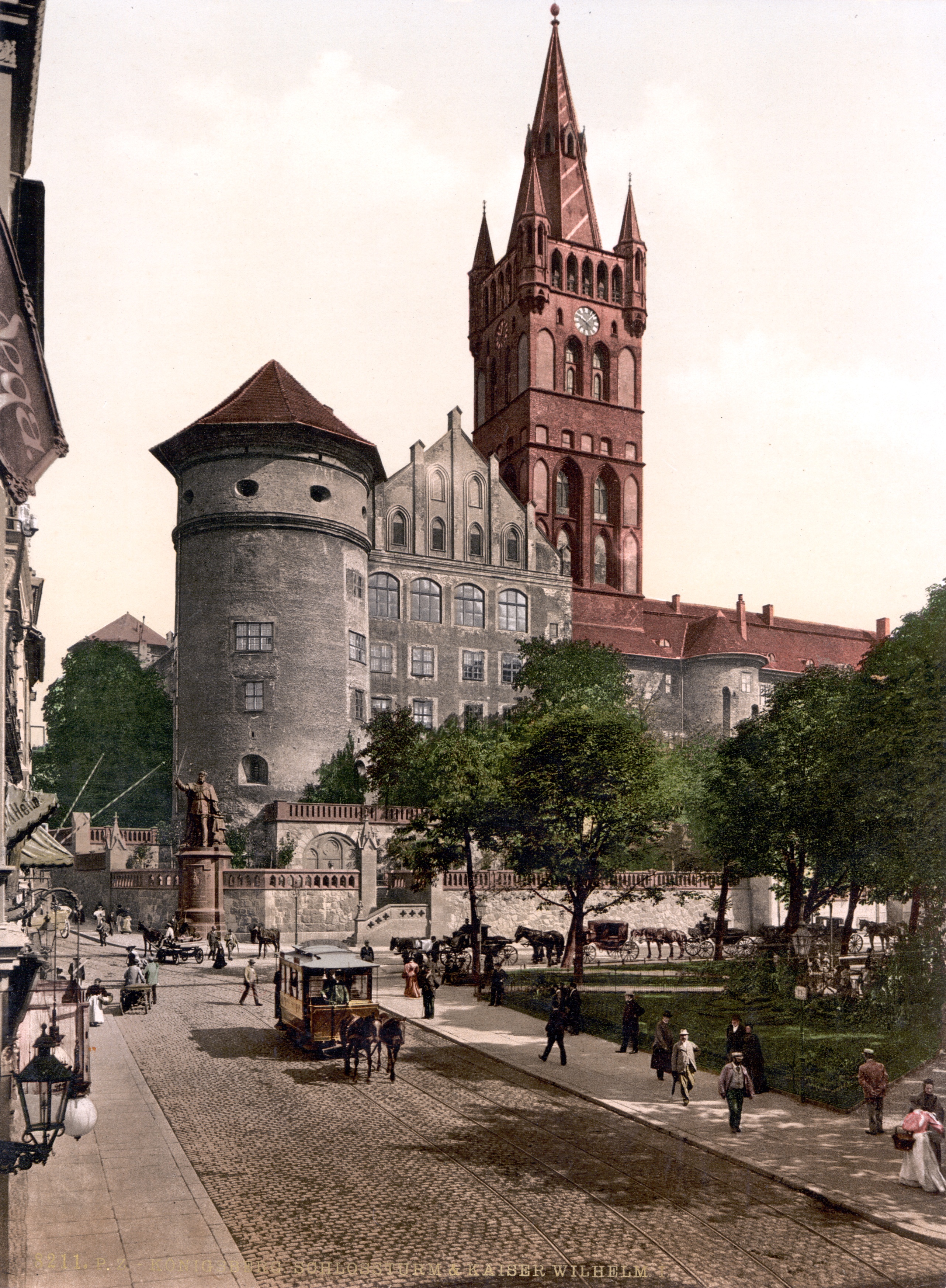
Königsberg (now Kaliningrad, Russia)
History of East Prussia
c. 16,000 BC — First traces of settlement after the end of the Ice Age on the southern Baltic coast.
AD 98 — Tacitus mentions the region in his Germania.
From the 10th century — Settlement by Germanic-speaking groups.
13th century — The Teutonic Order and Polish rulers competed for control of territories inhabited by Baltic peoples.
1226 — Emperor Frederick II confirmed the Teutonic Order’s rights in the Golden Bull of Rimini.
1234 — Pope Gregory IX formally confirmed these rights in the Golden Bull of Rieti.
1410 — After the defeat at Tannenberg, the Teutonic Order lost West Prussia and accepted Polish suzerainty over East Prussia.
1530 — At the Diet of Augsburg, the former Grand Master’s secular Prussian territories were recognised as a fief.
1618 — The Duchy of Prussia passed to the Brandenburg line of the House of Hohenzollern.
1701 — Elector Frederick III of Brandenburg was crowned King in Prussia at Königsberg.
1773 — Following the First Partition of Poland, Frederick II named the newly acquired western territories West Prussia and the former Duchy of Prussia East Prussia.
1920 — Under the Treaty of Versailles, parts of East Prussia were transferred to Poland, while the Polish Corridor separated the province from the rest of Germany by land.
1945 — More than two million Germans lost their East Prussian homeland through flight and expulsion.
Königsberg, the then German city (now Kaliningrad, Russia)
The advance of the Red Army
Between 12 and 14 January 1945, the Red Army launched a major offensive against East Prussia. German lines were broken by the 2nd and 3rd Belorussian Fronts, whose armoured formations advanced rapidly. On 27 January Soviet forces reached the Baltic near Elbing and on 31 January the Oder near Küstrin, cutting East Prussia off from the rest of Germany by land. German forces continued to hold Königsberg, Heiligenbeil and Danzig for a time, enabling large numbers of refugees to reach Baltic ports and the Vistula Lagoon.
Nemmersdorf
The small village of Nemmersdorf, between Insterburg and Gumbinnen near the East Prussian border, became notorious for events in October 1944.
On 21 October 1944, Soviet troops entered the village during one of the first incursions onto German territory.
Accounts describe Soviet tanks overrunning columns of fleeing civilians with horses and carts.
German forces retook the village the following day and found the bodies of women, children and elderly people. Contemporary German reports described rape, mutilation and killing.
Some witness accounts also alleged that victims had been nailed naked to a barn door.
Reports from settlements south of Gumbinnen likewise described civilian bodies lying along roads and near farms and villages.
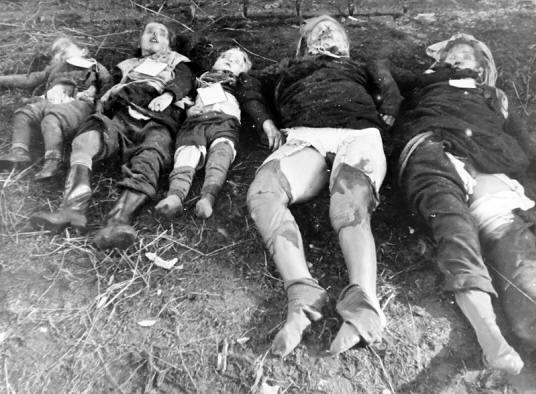
Women and children killed in the village of Metgethen
Escape to the west
On 12 January 1945, the Soviet offensive into East Prussia began across a broad front.
The attack opened with massive artillery fire against German positions. With overwhelming numerical superiority, the Red Army broke through the relatively thin German defensive lines.
With few natural obstacles, Soviet armoured formations advanced rapidly, followed by motorised infantry.
Civilians fled westwards in panic, and trains leaving Königsberg were severely overcrowded.
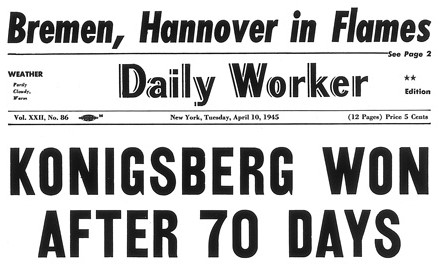
Front page of a U.S. newspaper reporting the fall of Königsberg
Most of the refugees were women and children, as many able-bodied men were serving in the armed forces or the Volkssturm.
People often had to abandon almost everything they owned. Livestock left behind in unheated stables froze, died of thirst when water supplies froze, starved or suffered because there was no one left to care for them.
Icy death on the roads
Within a few days, roads leading to the Vistula crossings at Marienburg and Dirschau were clogged with refugee columns.
Snow and ice made travel extremely difficult. Horses slipped in front of overloaded carts, while attempts to leave the road often ended with animals and vehicles sinking deep into the snow.
Elderly people were among the first to succumb to the cold. Infants were also extremely vulnerable in the freezing conditions.
The frozen ground often made burial impossible, and bodies were left by the roadside. In some places, remains were later scattered by animals.
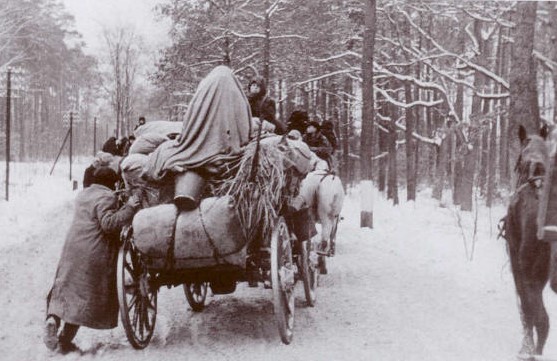
Escape over the Haff
On 26 January 1945, Soviet forces reached the Baltic near Elbing, cutting most of East Prussia off from the rest of Germany by land.
Escape westwards by road became increasingly difficult. The remaining evacuation routes led towards Königsberg and Pillau or across the frozen Vistula Lagoon to the Baltic ports.
Around Heiligenbeil, German forces held a shrinking pocket open to the sea and the lagoon. From this area, thousands of refugees attempted the dangerous crossing over the ice.
German soldiers marked the roughly 20-kilometre route across the ice with small trees to help refugees keep their bearings. Before long, abandoned carts, possessions, animal carcasses and bodies also marked the way. Bodies recovered later were buried at Heiligenbeil, often without coffins.
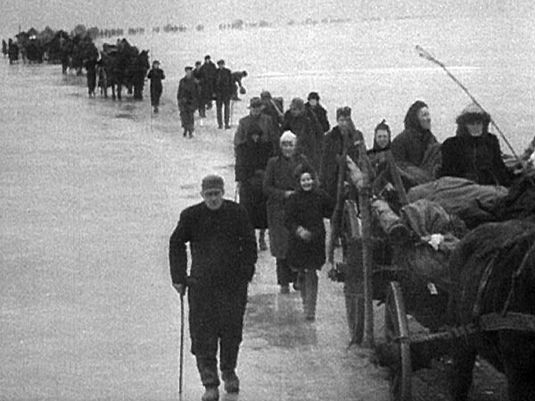
Frosty death on the ice
The crossing of the frozen lagoon was extremely dangerous. The open ice offered almost no cover from low-flying aircraft.
Contemporary accounts describe the ice stained with the blood of the wounded and dying.
Ice thickness varied, and shelling and bombing created further cracks. Wagons carrying entire families sometimes broke through into the freezing water.
Refugee columns were highly visible from the air against the white ice. When the ice melted in spring, bodies and wreckage were washed ashore.
Night travel was also hazardous: darkness made it easier to stray from the marked route and onto thinner ice.
Even those who reached evacuation ships were not necessarily safe, as several vessels were later sunk by bombs or torpedoes.
295,000 dead
Notable people from East Prussia
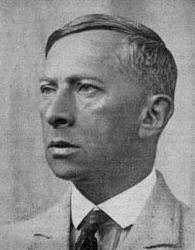
Rudolf Borchardt — Königsberg, 1877–1945, writer
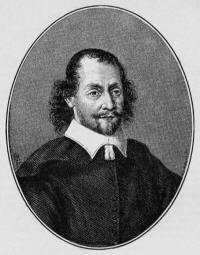
Simon Dach — Memel, 1605-1659, poet, professor
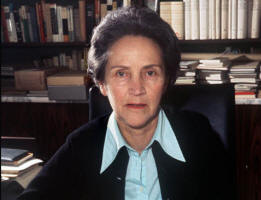
Countess Marion von Dönhoff — Castle Friedrichstein, 1909-2002, journalist
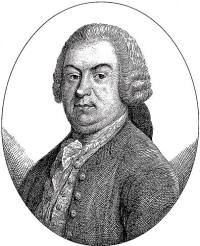
Johann Christoph Gottsched — Juditten, 1700-1766, scientist, writer
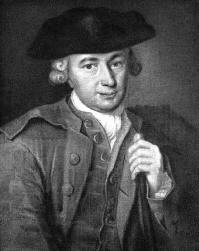
Johann Georg Hamann — Königsberg, 1730-1788, philosopher
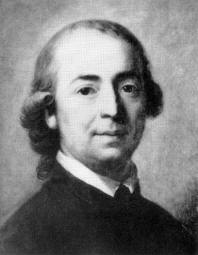
Johann Gottfried Herder — Mohrungen, 1744-1803, poet
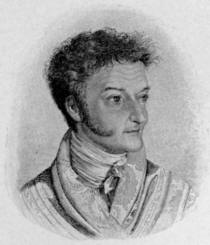
E. T. A. Hoffmann — Königsberg, 1776-1822, jurist, poet, conductor
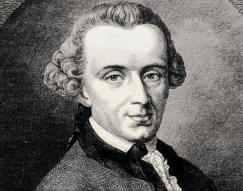
Immanuel Kant — Königsberg, 1724-1804, philosopher
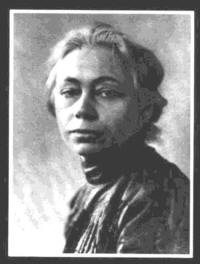
Käthe Kollwitz — Königsberg, 1867-1945, painter and sculptor
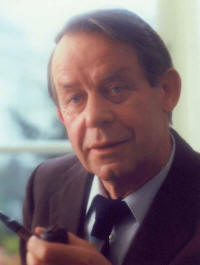
Siegfried Lenz — Lyck, 1926-2014, writer
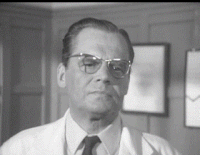
Albert Lieven — Hohenstein, 1906-1971, actor
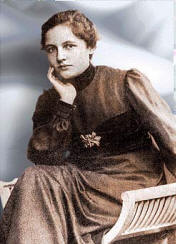
Agnes Miegel — Königsberg, 1879-1964, poet
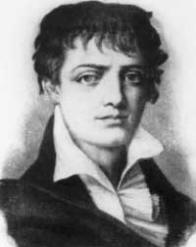
Max von Schenkendorf — Tilsit, 1783-1817, poet
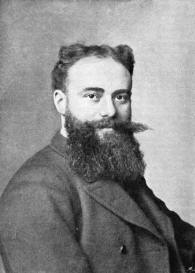
Hermann Sudermann — Matzicken (Heidekrug), 1857-1928, writer
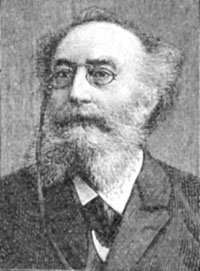
Ernst Wichert — Insterburg, 1831–1902, jurist and writer
For centuries, East Prussia and its capital Königsberg made important contributions to German intellectual and cultural life.