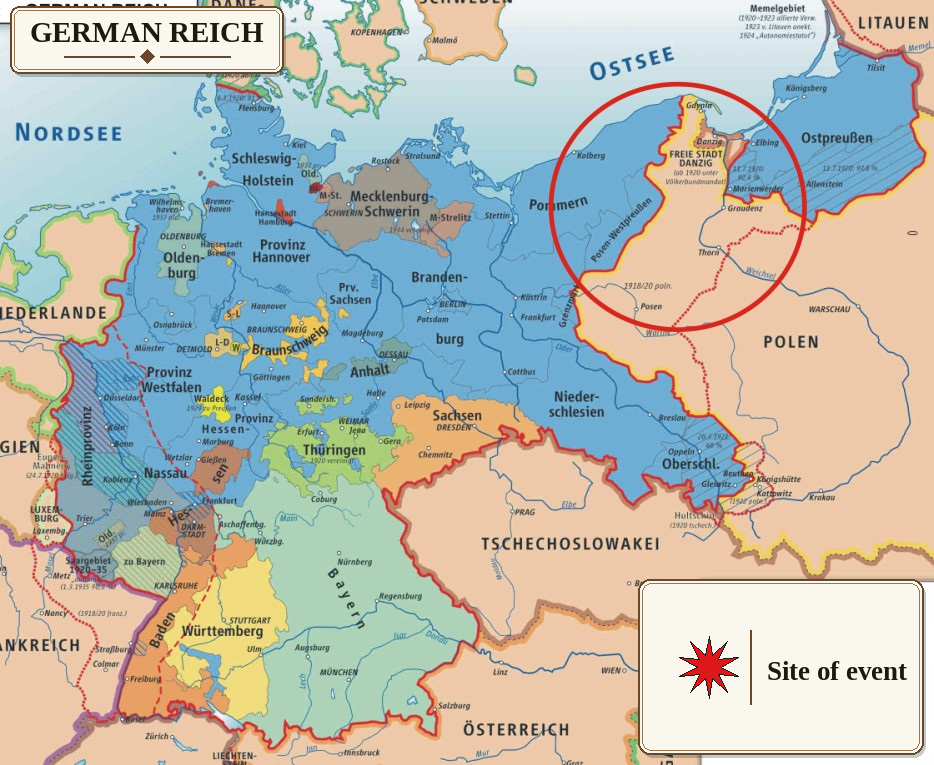
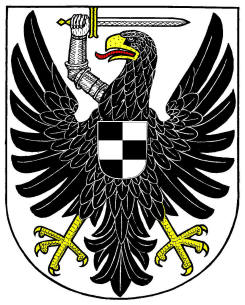
According to the figures presented here, 736,000 people fled or were expelled from West Prussia and Posen, of whom 117,000 died.
Before the war, around 763,000 Germans lived in these territories.
Major cities:
Danzig, Posen, Birnbaum, Bromberg, Dirschau, Graudenz, Hohensalza, Kolmar, Kulm, Löbau, Schwetz, Strasburg, Thorn, Wirsitz and Zempelburg
Danzig, then a German city (now Gdańsk, Poland)
West Prussua, Posen amd Danzig in a nutshell
West Prussia covered an area almost as large as Switzerland, while the Free City of Danzig was roughly comparable in size to Luxembourg.
Between the world wars, the remaining German province of Posen-West Prussia had changing administrative boundaries within the German Reich.
The Schneidemühl area had belonged to the Province of Posen before 1919. After the post-war territorial changes it became part of the German border province of Posen-West Prussia and, in 1938, was transferred to Pomerania.
The Meseritz area had likewise belonged to Posen before 1919 and was later incorporated into Brandenburg during the 1938 administrative reorganisation.
The Fraustadt district, formerly part of Posen, was transferred to Silesia in the 1938 reorganisation.

Danzig
History of West Prussia and Posen
4th millennium BC — Earliest archaeological evidence of settlement.
Antiquity — Germanic tribes lived in parts of the region.
997 — First written mention of Danzig.
1225 — Duke Konrad of Masovia granted the Kulmerland to the Teutonic Order.
1226 — In the Golden Bull of Rimini, Emperor Frederick II confirmed the Teutonic Order’s rights to the Kulmerland and territories it would conquer in Prussia.
1234 — Pope Gregory IX placed the Order’s territories under papal protection in the Golden Bull of Rieti.
1309 — Marienburg became the seat of the Grand Master of the Teutonic Order.
1772 — Following the First Partition of Poland, the Province of West Prussia was created within the Kingdom of Prussia.
1793 — Danzig and Thorn were incorporated into West Prussia.
1807–1813 — During the Napoleonic period, the Treaty of Tilsit made Danzig a Free City under French influence.
1815 — The Congress of Vienna restored West Prussia to the Kingdom of Prussia, with Danzig as the provincial capital.
1919–1920 — Under the Treaty of Versailles and subsequent plebiscites, most of West Prussia and Posen passed to Poland, while Danzig became a Free City. Large numbers of Germans left the transferred territories.
1939 — The Reichsgau Danzig-West Prussia was established after the German invasion of Poland.
1945 — About 600,000 Germans fled or were expelled from West Prussia and Posen according to the figures presented here.
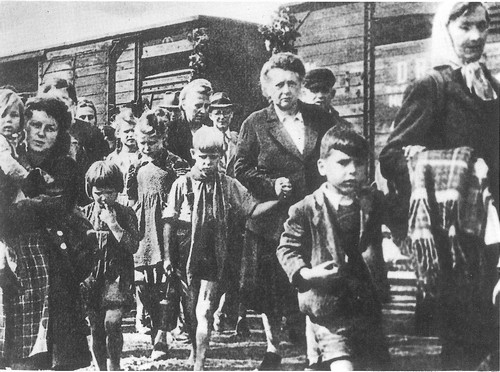
Flight and expulsion
West Prussia and the eastern Warthegau were among the first German-controlled territories struck by the major Soviet offensive of January 1945.
Many residents tried to flee westwards or south towards Silesia.
The Red Army advanced so rapidly that most of West Prussia and the Warthegau had been occupied by February.
Escape by land became increasingly difficult. From the Danzig area, some civilians were evacuated by ship across the Baltic Sea.
Those who remained — many of them elderly people, women, children and the sick — were exposed to looting, violence, killing and sexual assault during the breakdown of order and occupation.
Many able-bodied men and women were deported and subjected to forced labour.
Some civilians were driven towards the Vistula in winter conditions with inadequate clothing and footwear; many died during these forced movements.
Around 600,000 Germans were ultimately expelled from West Prussia and Posen according to the figures cited here.
117,000 dead
Notable people from West Prussia, Posen and Danzig
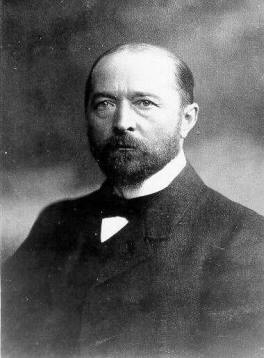
Emil Adolf von Behring — Hansdorf, 1854–1917, physician and bacteriologist, Nobel laureate
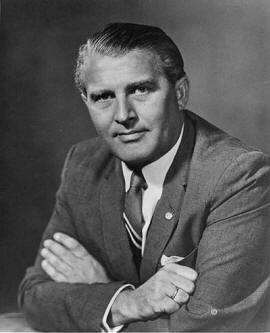
Wernher von Braun — Wirsitz, 1912–1977, physicist and rocket engineer
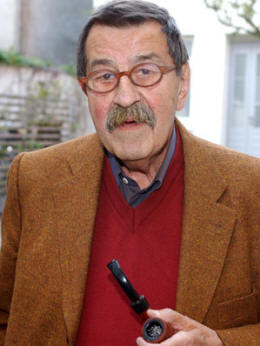
Günter Grass — Danzig-Langfuhr, 1927–2015, writer and graphic artist, Nobel laureate
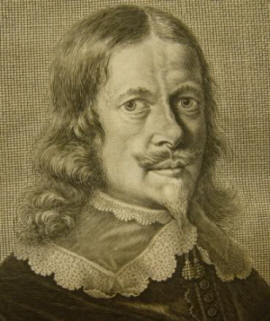
Johannes Hevelius — Danzig, 1611–1687, astronomer
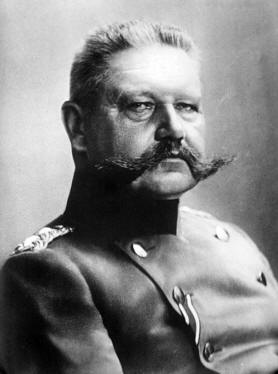
Paul von Hindenburg — Posen, 1847–1934, field marshal and President of Germany
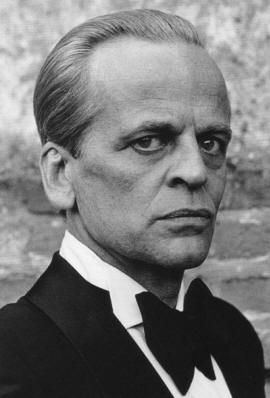
Klaus Kinski — Zoppot, 1926–1991, actor
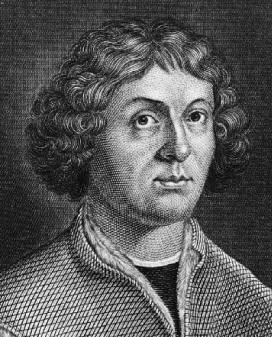
Nicolaus Copernicus — Thorn, 1473–1543, astronomer and canon
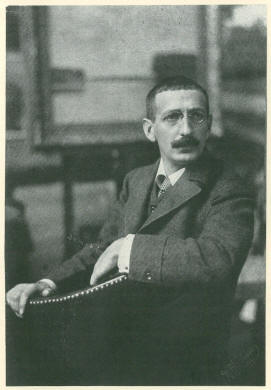
Walter Leistikow — Bromberg, 1865–1908, painter
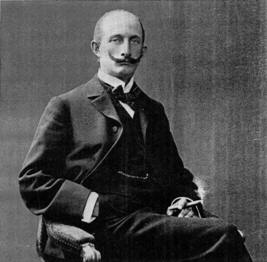
Hermann Löns — Kulm, 1866–1914, writer and poet
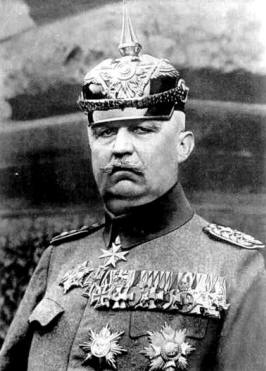
Erich Ludendorff — Kruszewnia, 1865–1937, general
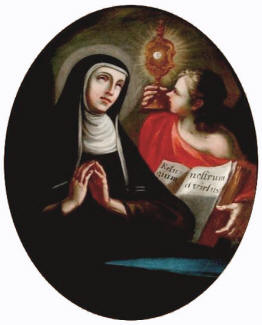
Dorothea of Montau — Montau, 1347–1394, mystic and saint
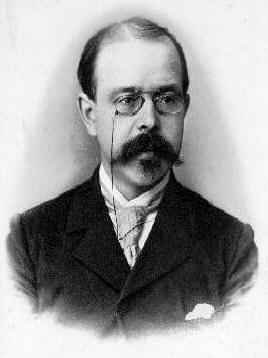
Walther Nernst — Briesen, 1864–1941, chemist and physicist, Nobel laureate
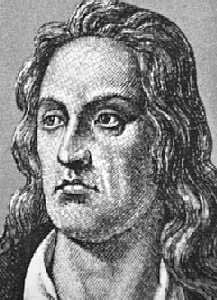
Andreas Schlüter — Danzig, 1664–1714, sculptor and architect
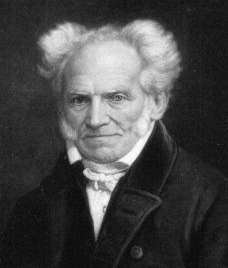
Arthur Schopenhauer — Danzig, 1788–1860, philosopher
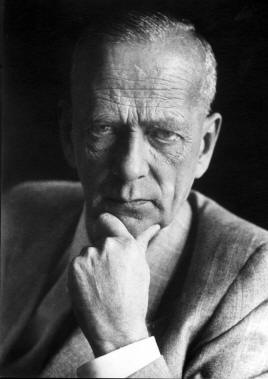
Kurt Schumacher — Kulm, 1895–1952, politician