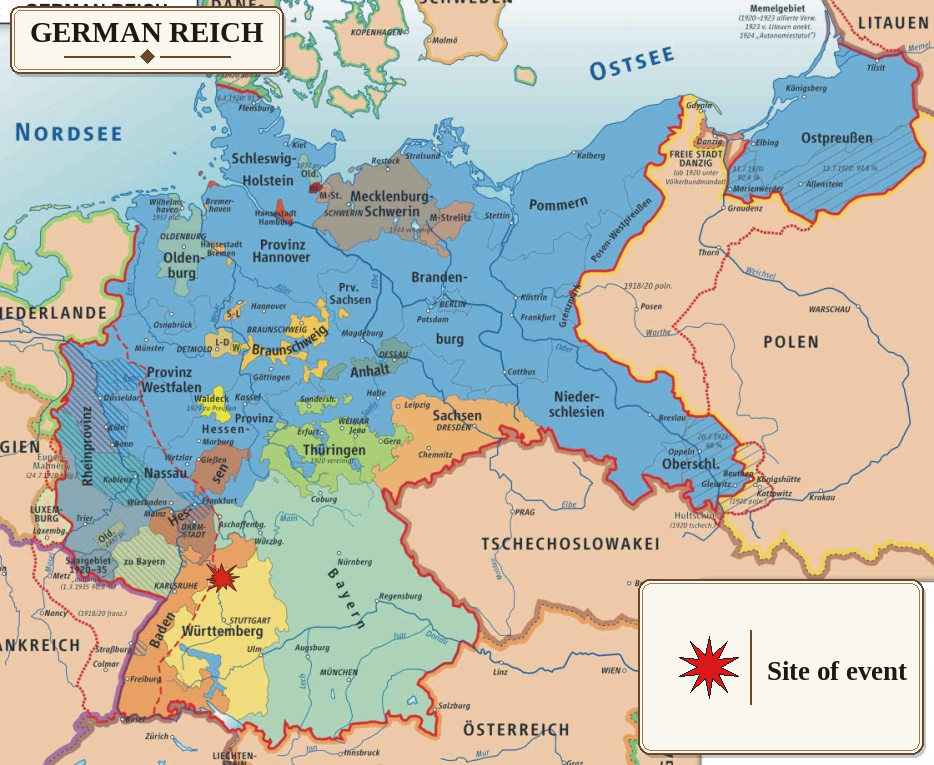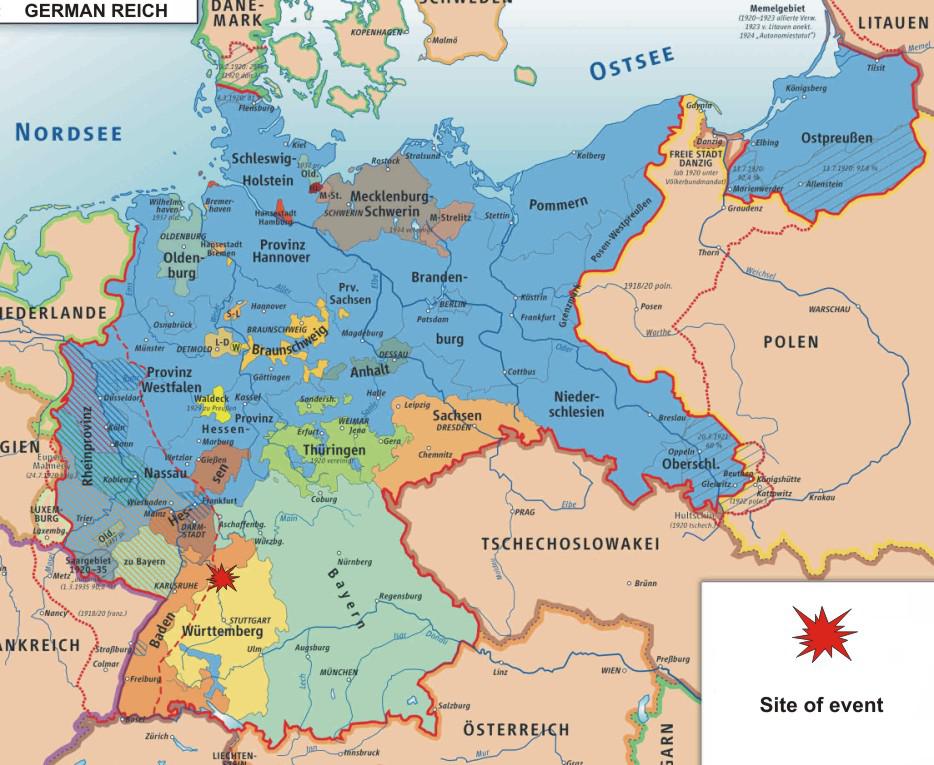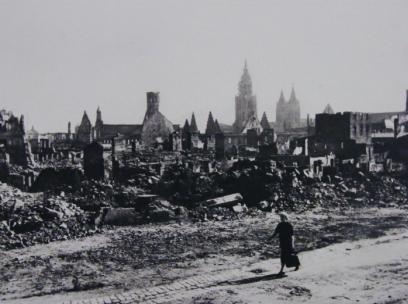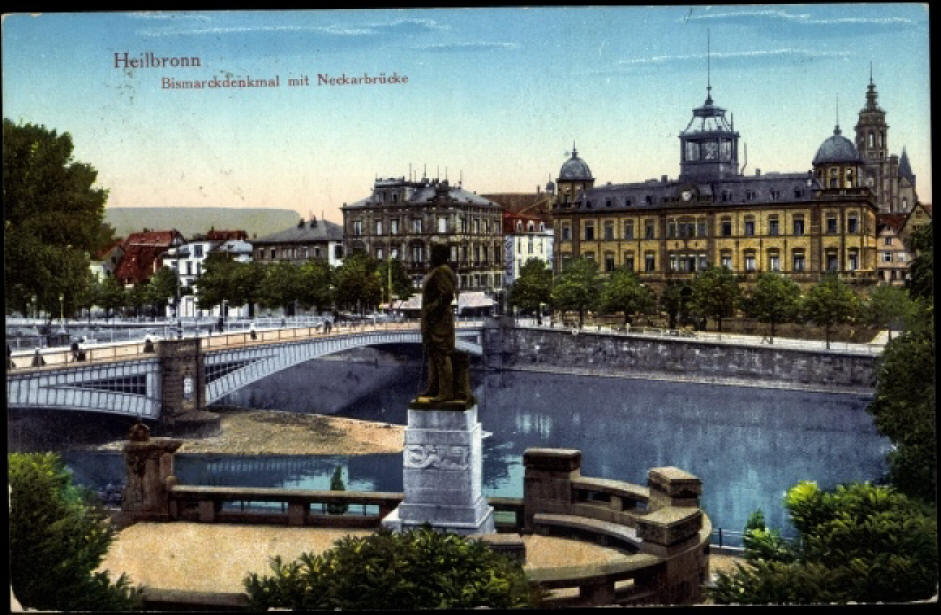
As a former Free Imperial City, Heilbronn possessed a rich architectural heritage ranging from the Late Gothic and Renaissance periods to the Rococo.
The first major raid took place on 10 September 1944, when Heilbronn was used as an alternative target because poor weather prevented an attack on aircraft factories at Günzburg. The railway area and part of the city centre were badly hit, but this proved only a prelude to the far more destructive raid that followed.
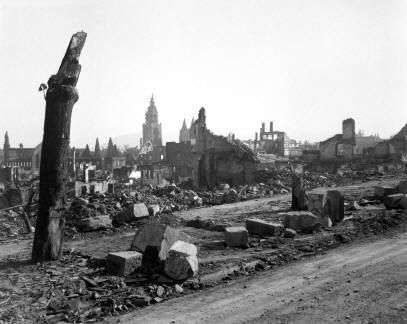
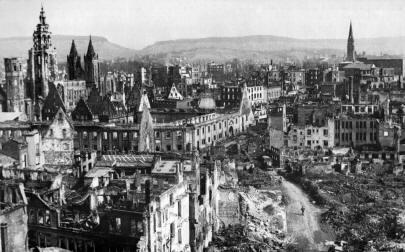
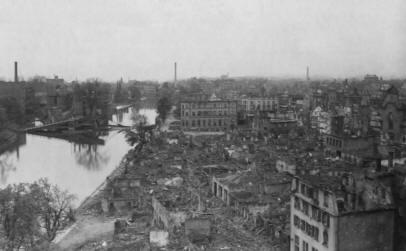
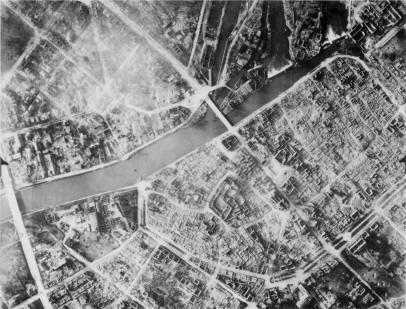
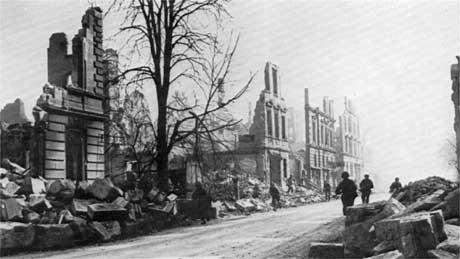
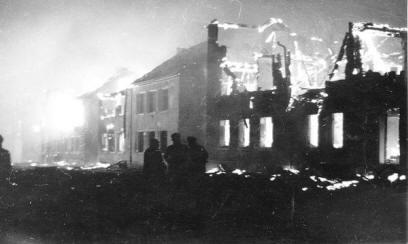
The second major attack struck Heilbronn on 4 December 1944. The city had only limited heavy industry compared with the Ruhr centres, yet the raid caused catastrophic destruction in the densely built historic centre.
Civil defence relied heavily on basements and small shelters beneath the old half-timbered buildings.
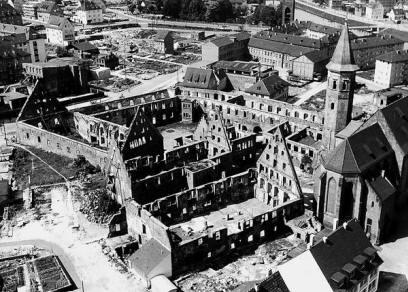
Incendiary bombs created a vast firestorm in the narrow streets, destroying about five square kilometres of the medieval city.
6,500 dead
Heat, fire and smoke combined lethally. Thousands of people were burned or suffocated, many in basement shelters affected by carbon monoxide.
About 80 per cent of the city was destroyed. Relative to its population, Heilbronn suffered one of the highest death rates among German cities affected by air raids: 91 people per thousand inhabitants died.