Concentration camps
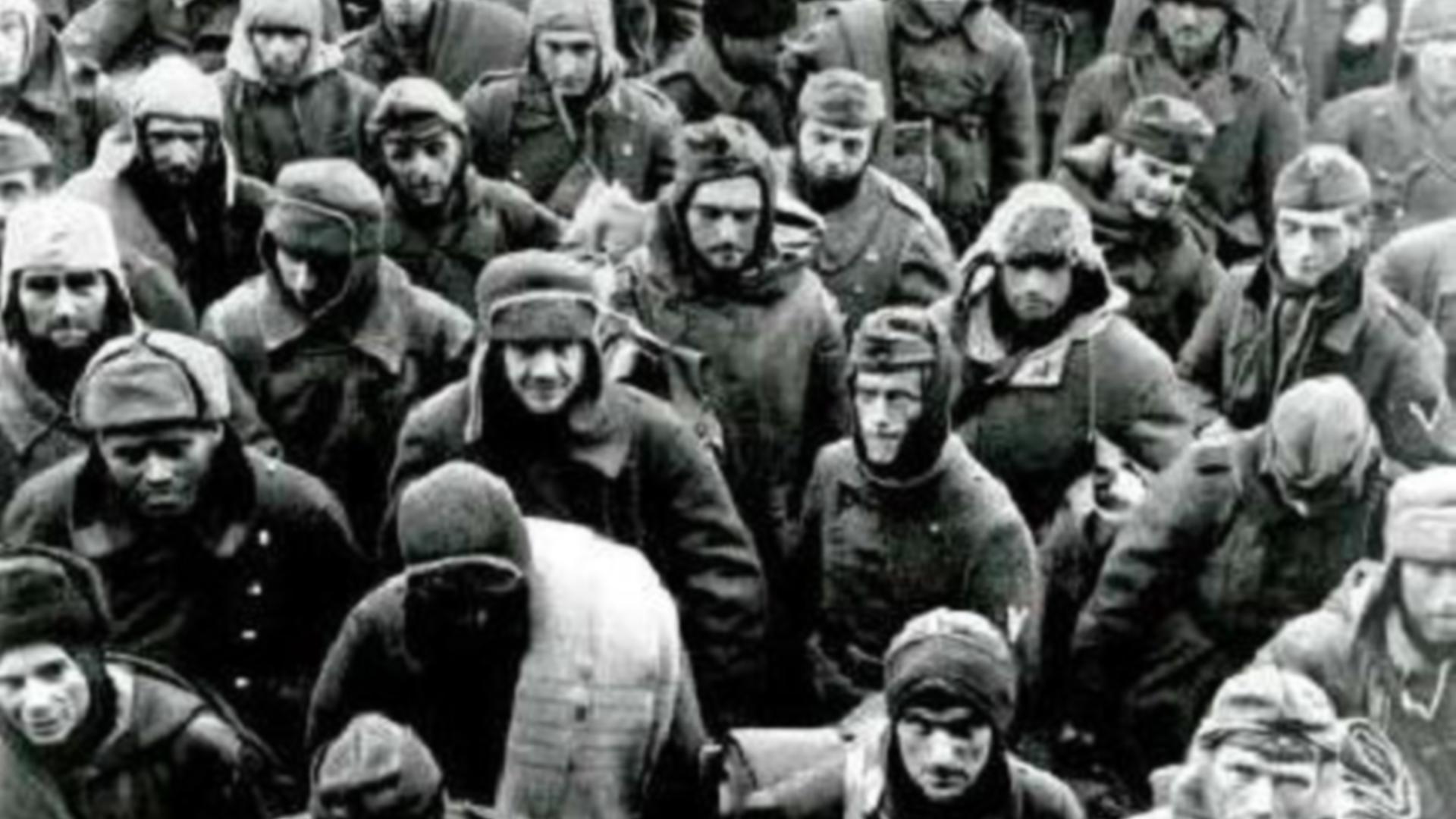
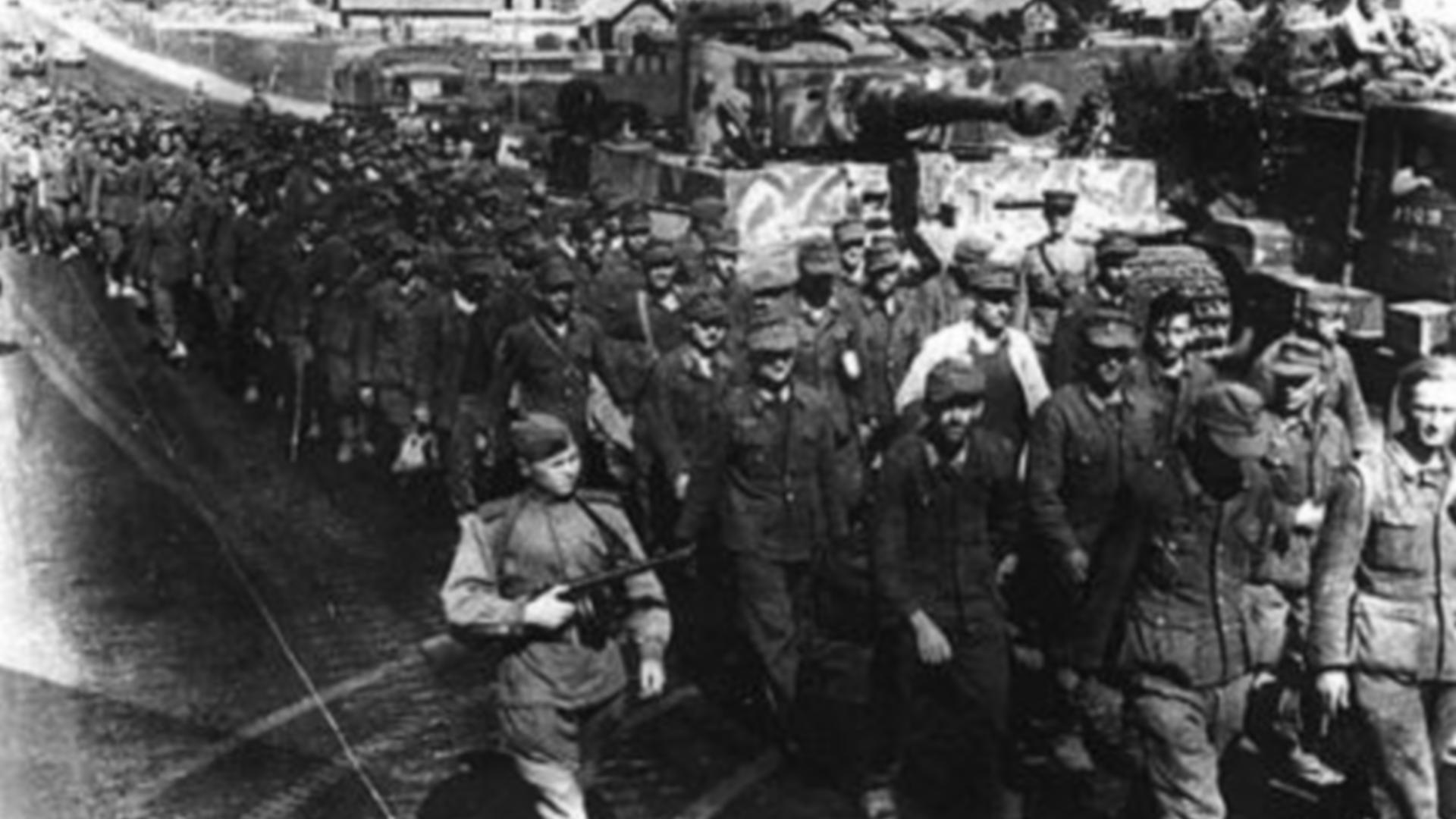
With the end of the fighting at Stalingrad in early February 1943, the ordeal of nearly 100,000 German soldiers in Soviet captivity began.
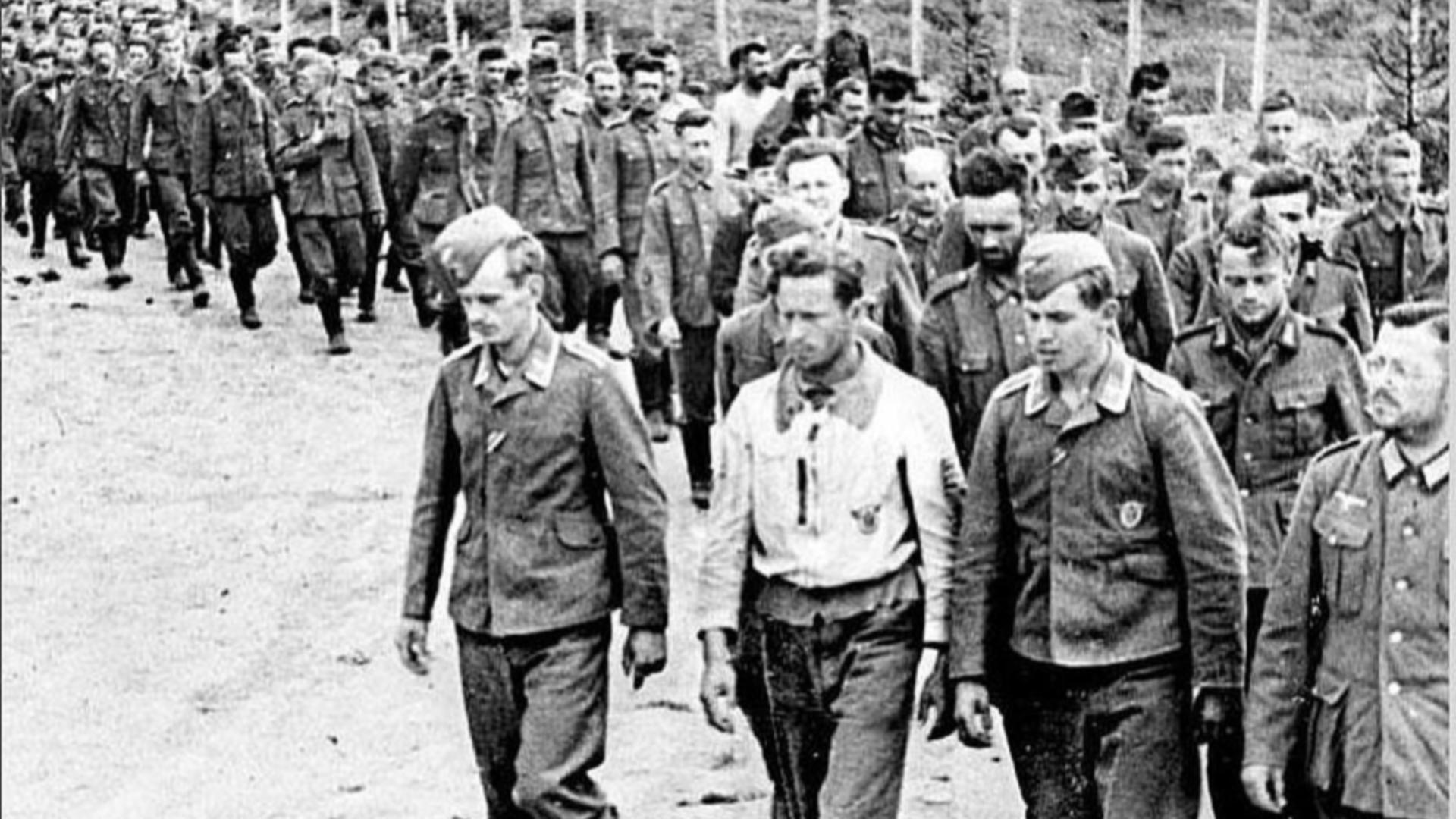
At temperatures falling to around −30 °C, prisoners were marched to camps such as Beketovka, Dubovka and Krasnoarmeysk, often with virtually no food or water. Sick, exhausted or wounded men who could not keep up were shot.
At first, prisoners often had to camp in the open. Some went for days with almost no food. Survival became a desperate struggle, and the bodies of those who froze or starved to death were gathered in rows each morning.
The exact number of victims is difficult to establish. The estimates cited here suggest that, of roughly 120,000 members of the 6th Army who entered Soviet captivity between late 1942 and February 1943, about 60,000–70,000 died within the first few months.
Russian captivity
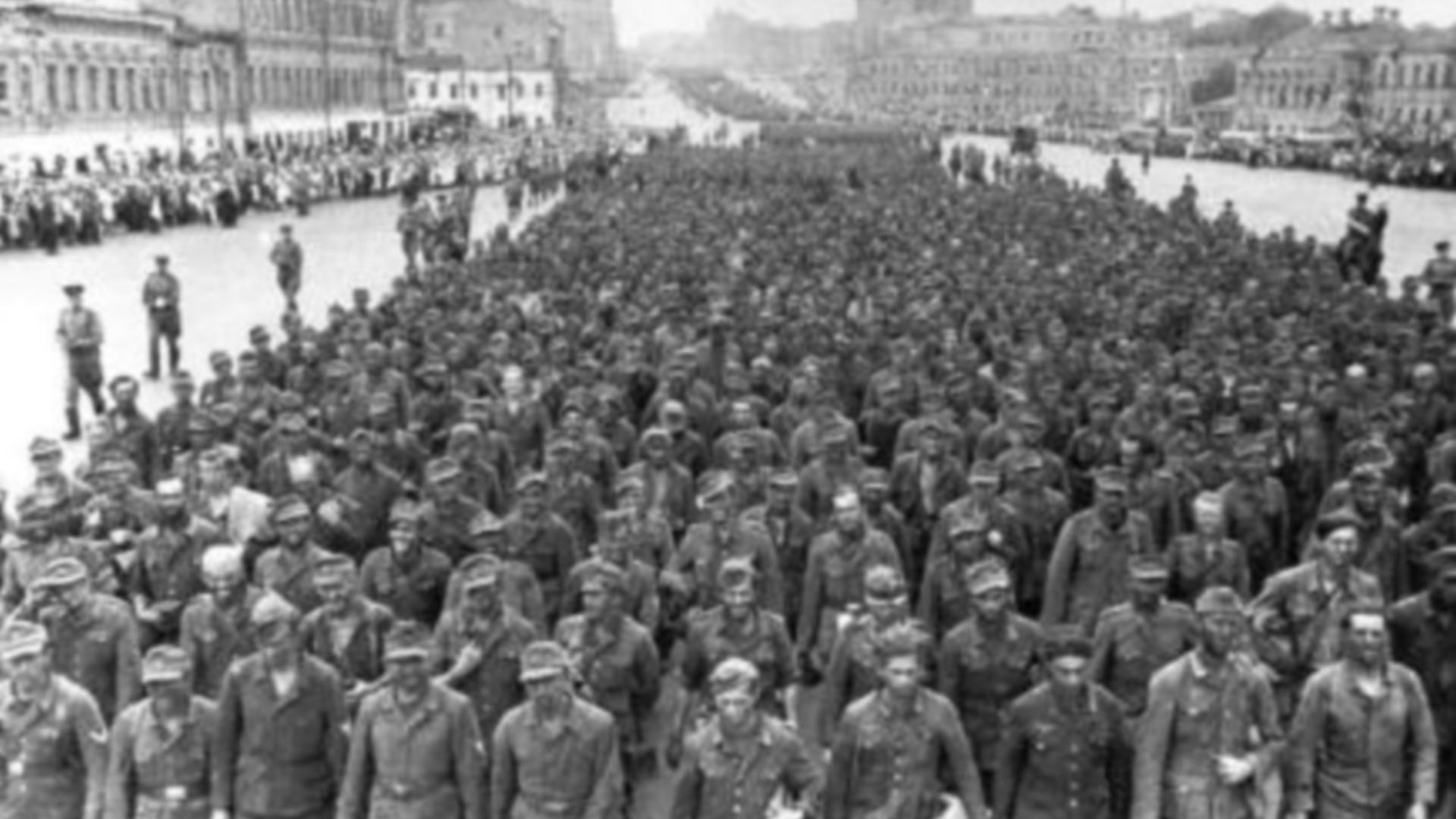
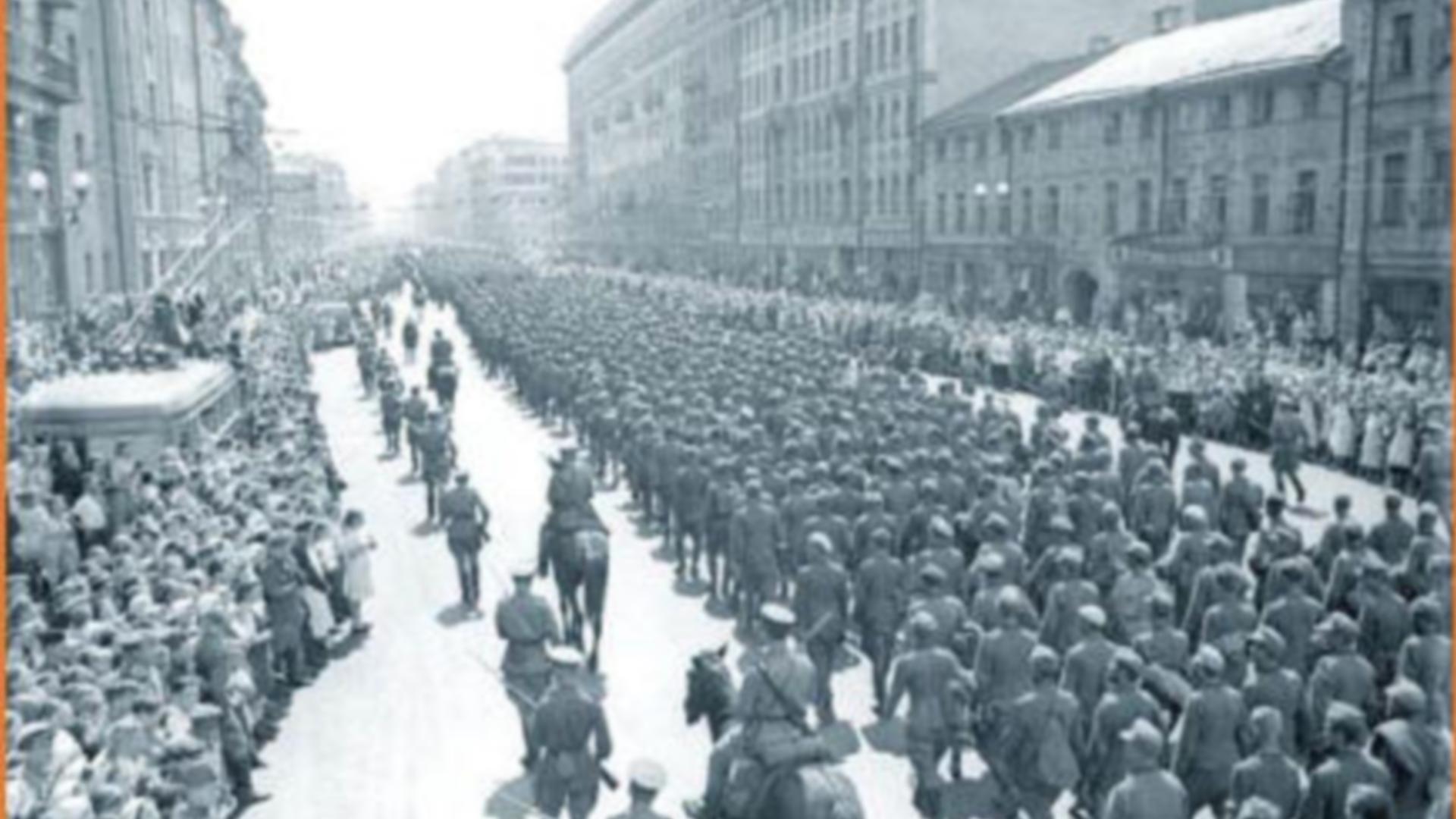
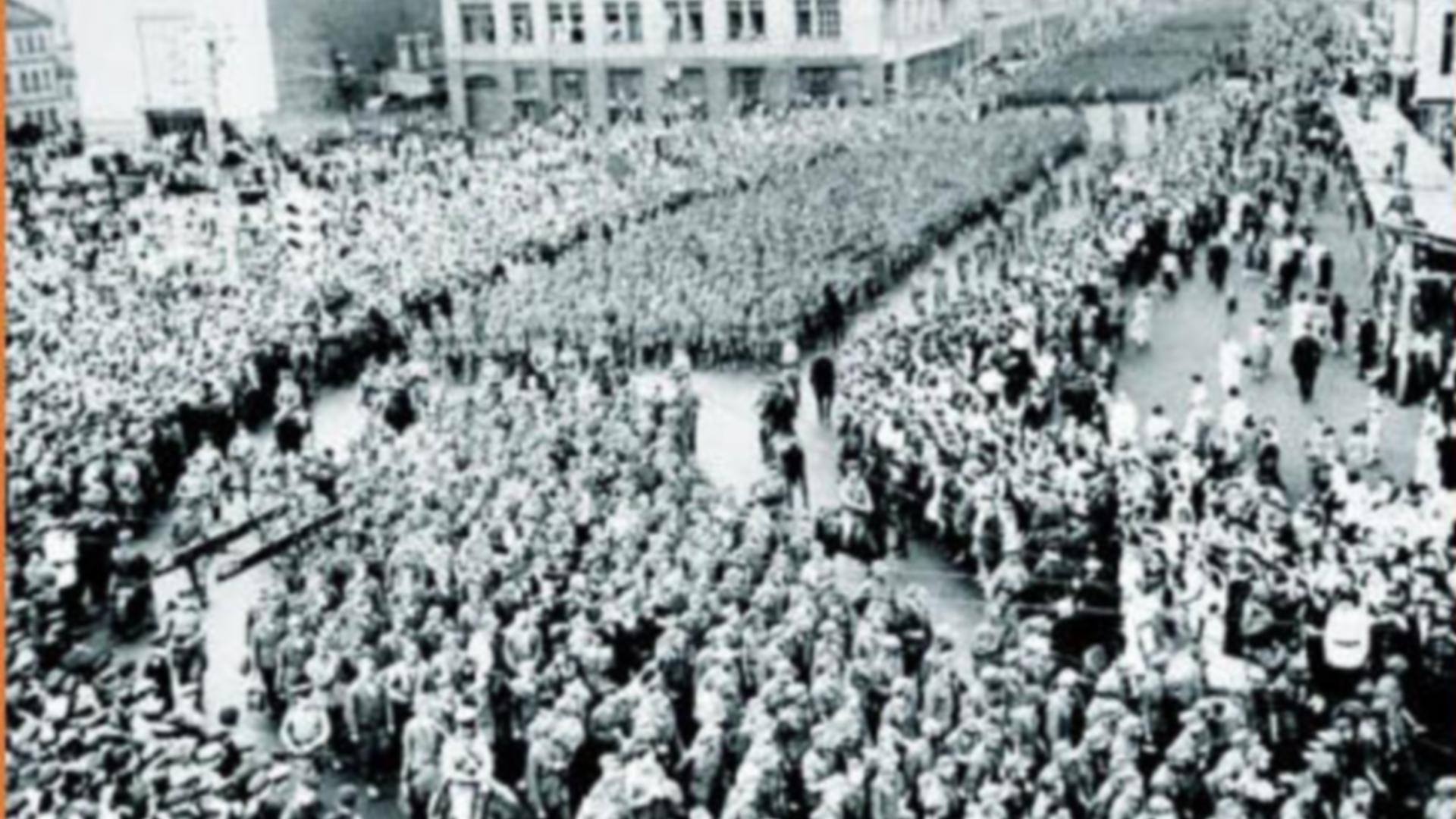
In the summer of 1944, another large German formation fell into Soviet captivity. Army Group Centre was encircled by the Red Army in the Mogilev area, and around 150,000 men were captured. Nearly 60,000 prisoners were transported to Moscow, where on 17 July 1944 they were forced to take part in a public “parade of the defeated” before being sent to labour camps.
German POWs in Moscow
After Germany’s surrender on 8 May 1945, many soldiers who had fought on the Eastern Front tried to reach the Western Allied lines. Under Allied agreements, however, about 150,000 prisoners were handed over to the Red Army at the Elbe.
A further 200,000 German soldiers entered Soviet captivity after the surrender. Many did not return home until 1955.
Labour camps
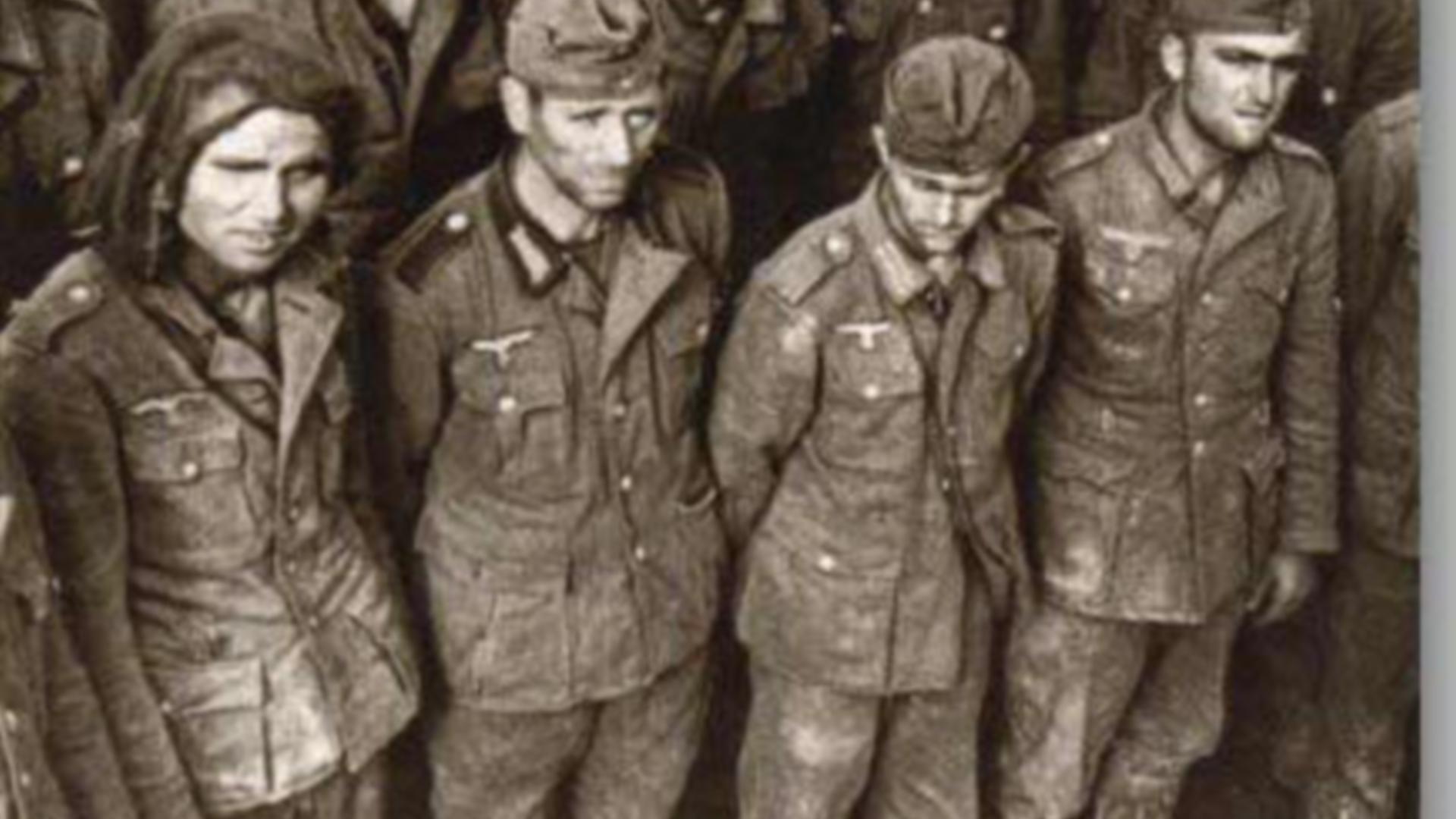
Members of the 6th Army who survived the marches and transit camps were transferred from the spring of 1943 to permanent Gulag camps.
Prisoners were separated by rank: officers were sent to places such as Krasnogorsk, Volkovo, Elabuga or Suzdal, while enlisted men and NCOs were transported mainly to the Moscow region, Sverdlovsk, Molotov, Omsk, Vorkuta, Kazakhstan or Uzbekistan.
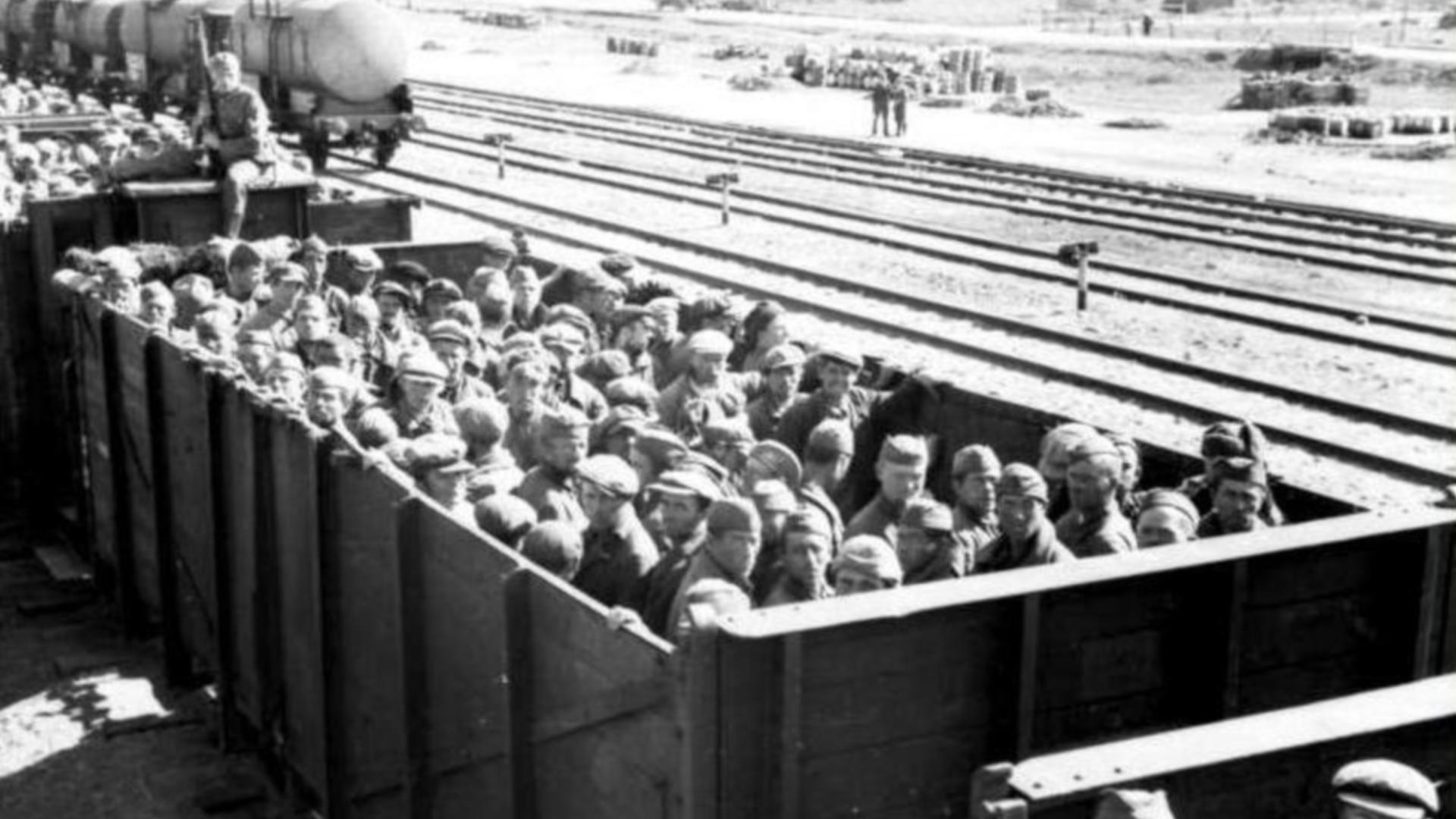
Transport in cattle wagons — with as many as 100 men to a wagon, on bare floors without blankets or straw — often lasted more than two weeks. Food and water were scarce, and the journeys caused further deaths among men already weakened by Stalingrad and captivity.
Some remained in camps around Stalingrad, which were later converted into labour camps. Of more than 90,000 soldiers captured in the Stalingrad pocket, around 6,000 eventually returned to Germany.
In addition to labour camps across the Soviet Union, special camps were established in eastern and central Germany for interrogation, trials and deportation. Some former German concentration camps were reused for this purpose, and former concentration-camp inmates were among those who experienced renewed imprisonment there.
Mühlberg -
7,500 deaths, 3,000 deportees
Buchenwald -
13,000 deaths, 2,000 deportees
Hohenschönhausen -
3,000 deaths
Bautzen -
12,000 deaths, 4000 deportees
Ketschendorf -
6,000 deaths, 2,000 deportees
Jamlitz -
5,000 deaths, 1,000 deportees
Sachsenhausen -
20,000 deaths, 6,000 deportees
Fünfeichen -
6,500 deaths, 1,000 deportees
Torgau-Zinna -
2,000 deaths, 4,000 deportees
Weesow -
1,200 deaths
Graudenz -
2,000 deaths
Frankfurt/Oder -
1,500 deaths
Overall, the figures presented here amount to at least 68,000 deaths and 23,000 deportations on German territory. These are described as minimum figures acknowledged by the Russian Prosecutor General’s Office.
Soviet Gulag camp in Siberia
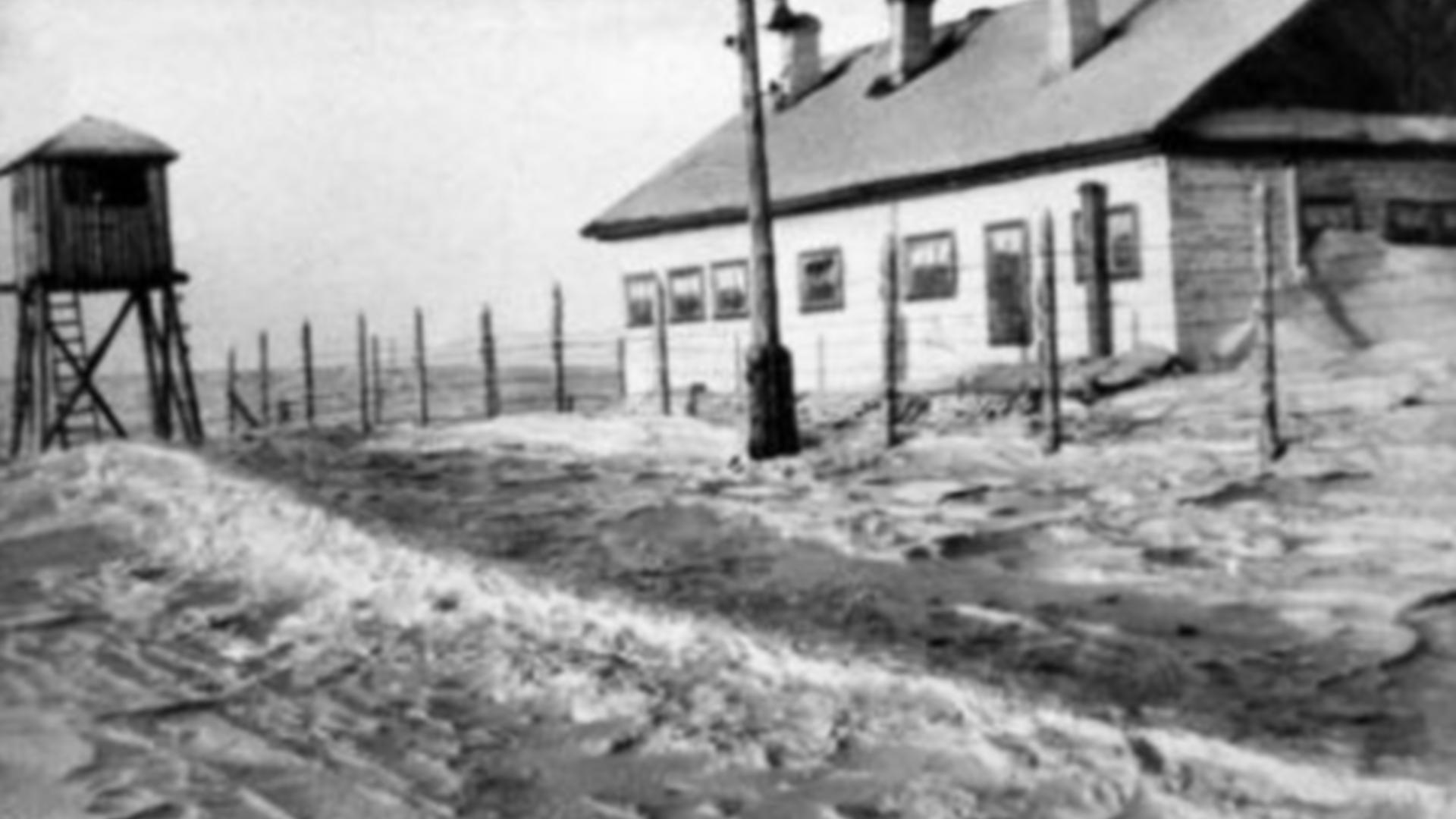
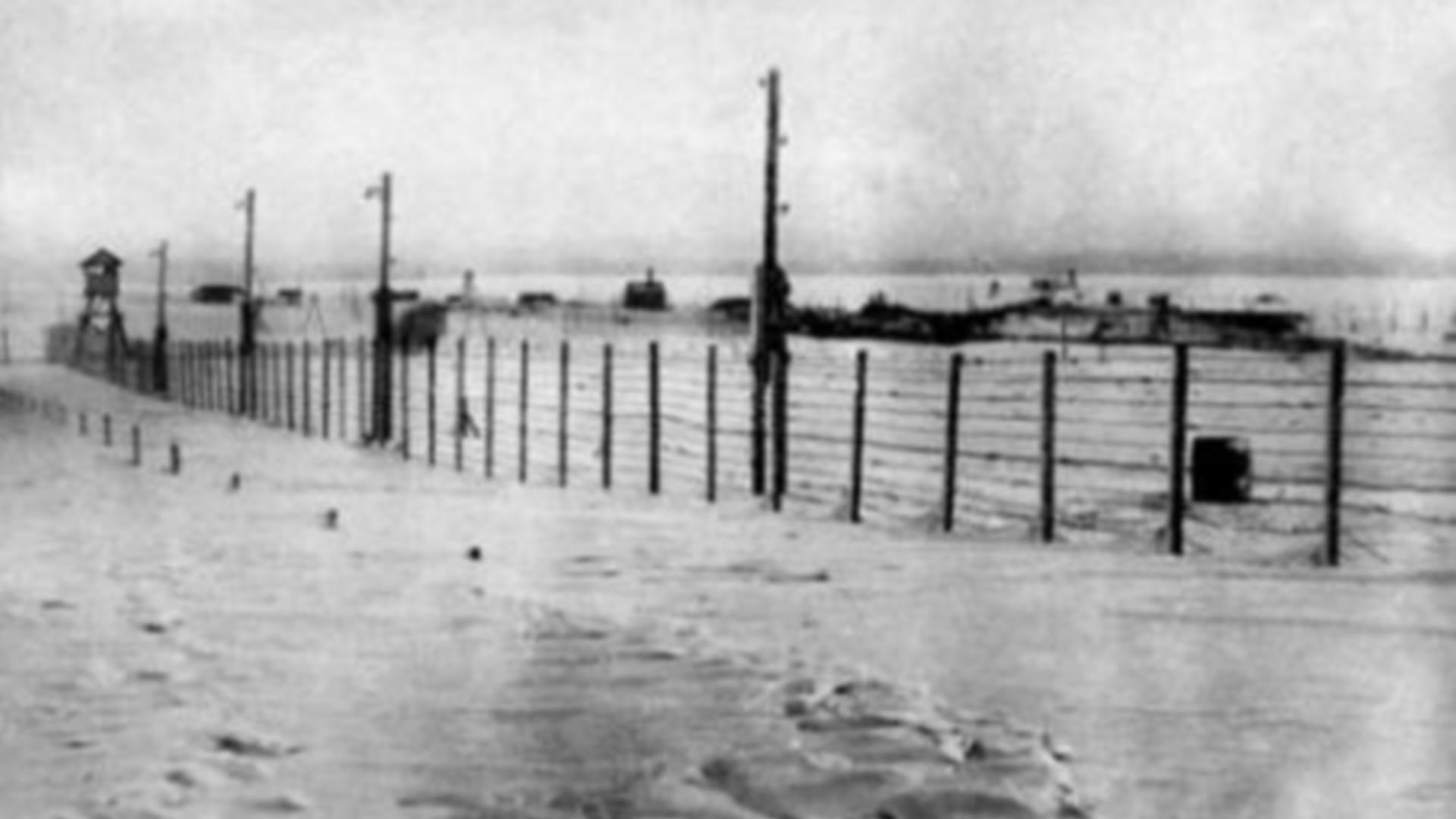
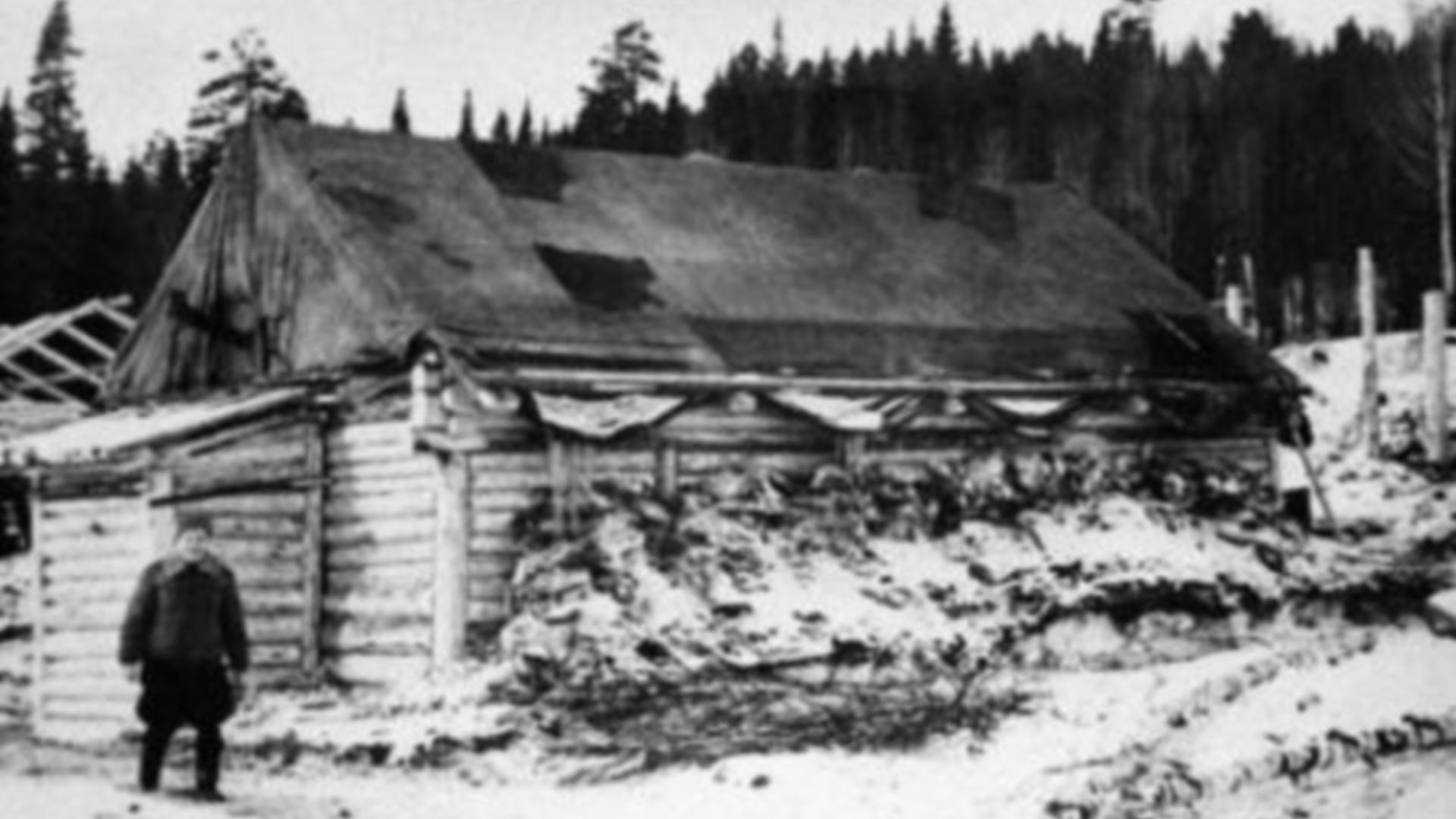
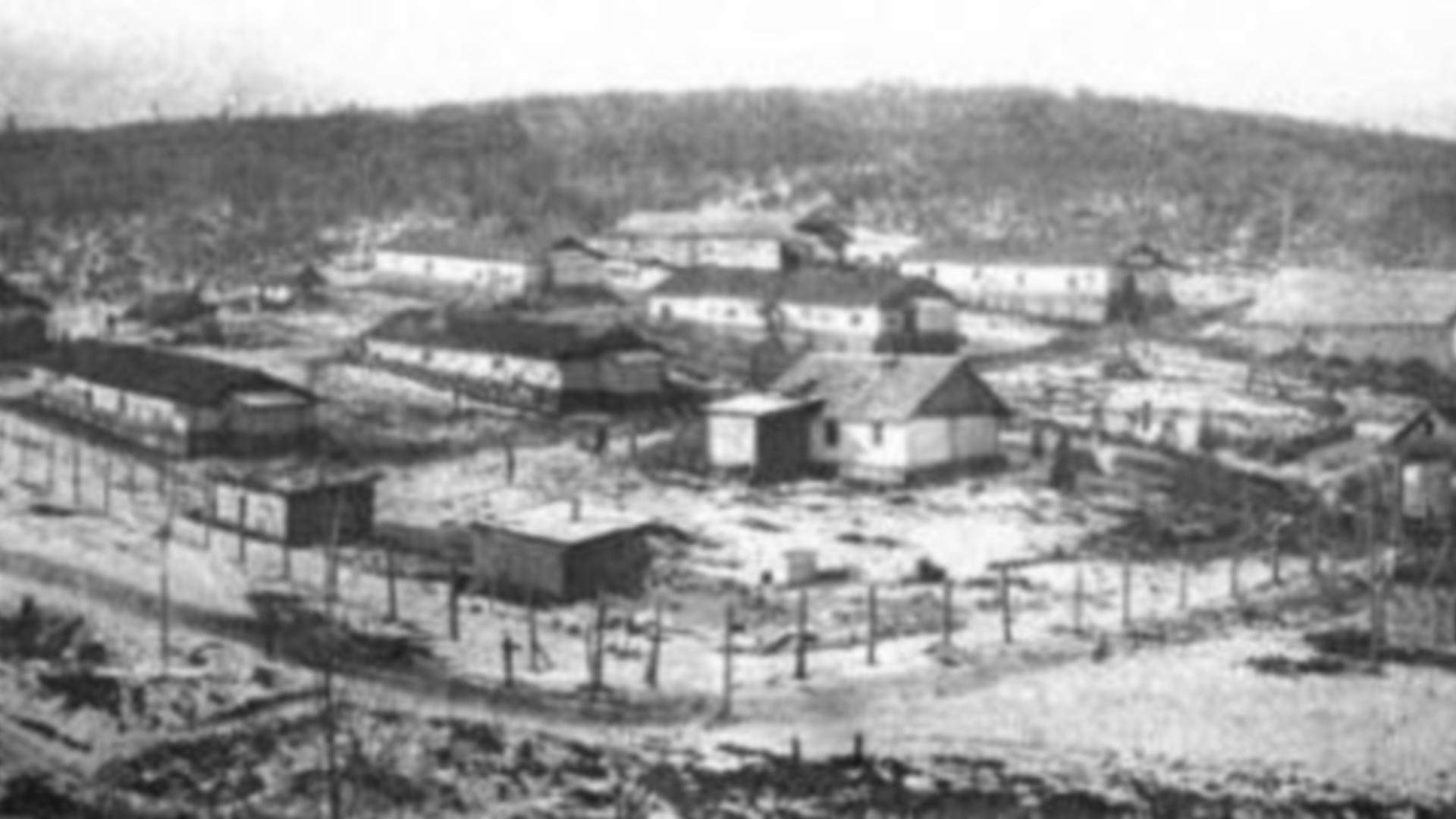
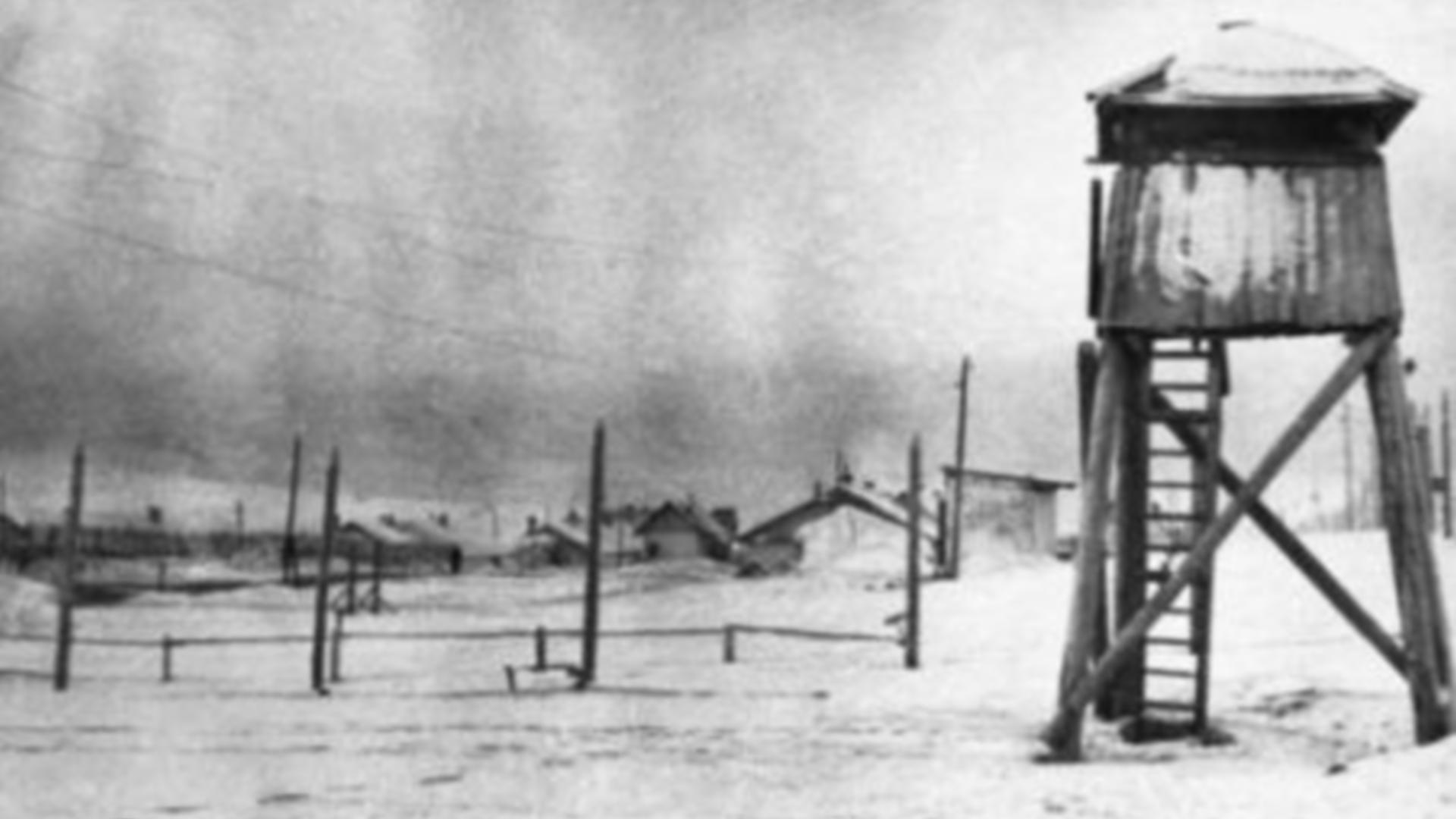
Everyday life in the labour camp
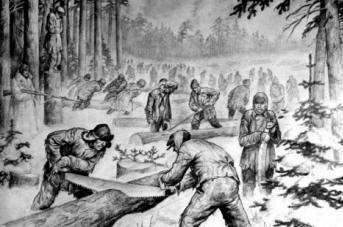
Prisoners working in severe Siberian winter conditions
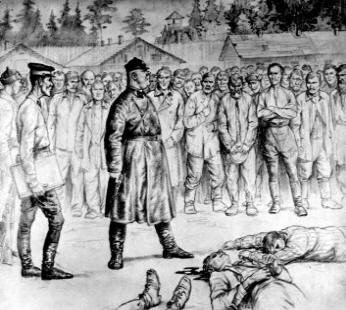
Prisoners who resisted orders were sometimes shot.