1940-1942
In the early years of the war, the heaviest raids were less frequent and were directed mainly against major cities in northern and western Germany.
From 1943 onwards, the bombing intensified dramatically and increasingly affected smaller cities as well.
12 January 1940, Westerland/Sylt
12 May 1940, Hamm
16 May 1940, Münster
20/21 June 1940, Bielefeld
20/21 July 1940, Wismar, Paderborn
29 December 1941, Krefeld
11 January 1942, Wilhelmshaven
29 January 1942, Münster
23–27 April 1942, Rostock
7 June 1942, Emden
23 June 1942, Emden
10 August 1942, Osnabrück
12/13 August 1942, Mainz
3 September 1942, Karlsruhe
In 1942, air attacks were still directed mainly against military targets.
The figure of 6,800 civilian deaths was still relatively low compared with the casualty totals of later years.
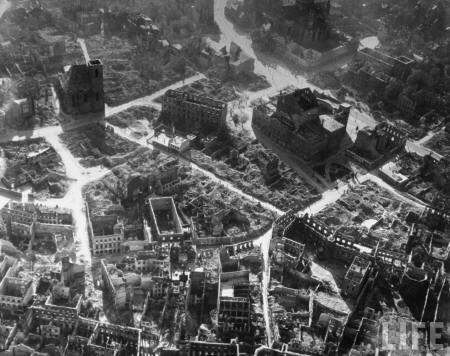
Mainz
1943
27 January 1943, Wilhelmshaven
12 February 1943, Wilhelmshaven
19/20 February 1943, Wilhelmshaven
21 April 1943, Stettin
15 June 1943, Oberhausen
22 June 1943, Krefeld
23 June 1943, Mülheim
23 June 1943, Oberhausen
25 June 1943, Elberfeld
30 July 1943, Saarbrücken
31 July 1943, Remscheid
17 August 1943, Regensburg
18 August 1943, Peenemünde
23 August 1943, Leverkusen
31 August 1943, Mönchen-Gladbach
2 October 1943, Hagen
9 October 1943, Danzig
9 October 1943, Anklam
10 October 1943, Münster
21 October 1943, Leipzig
3 November 1943, Wilhelmshaven
4 December 1943, Leipzig
Compared with the previous year, the raids of 1943 increasingly struck densely populated urban areas.
With about 100,000 deaths, the casualty total was roughly fourteen times higher than in the previous year.
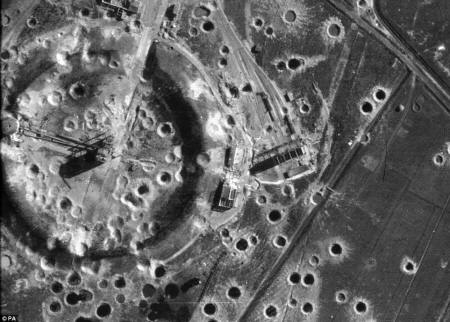
Peenemünde
1944
6 January 1944, Stettin
11 January 1944, Halberstadt
11 January 1944, Braunschweig
15 January 1944, Braunschweig
20 February 1944, Braunschweig
20 February 1944, Leipzig
26 February 1944, Augsburg
14 April 1944, Augsburg
18 April 1944, Cuxhaven
28 April 1944, Friedrichshafen
8 May 1944, Braunschweig
13 August 1944, Braunschweig
13 August 1944, Rüsselsheim
14 August 1944, Kaiserslautern
27 August 1944, Königsberg
30 August 1944, Emden
30 August 1944, Stettin
30 August 1944, Königsberg
13 September 1944, Osnabrück
5/6 October 1944, Saarbrücken
6 October 1944, Stralsund
15 October 1944, Braunschweig
16 October 1944, Wilhelmshaven
18 October 1944, Bonn
19 October 1944, Mainz
6 November 1944, Koblenz
9 November 1944, Wanne-Eickel
16 November 1944, Düren
18 November 1944, Münster
19 November 1944, Wanne-Eickel
22 November 1944, Aschaffenburg
27 November 1944, Freiburg
3 December 1944, Hagen
4 December 1944, Karlsruhe
6 December 1944, Soest
7 December 1944, Gießen
16 December 1944, Ludwigshafen
17 December 1944, Ulm
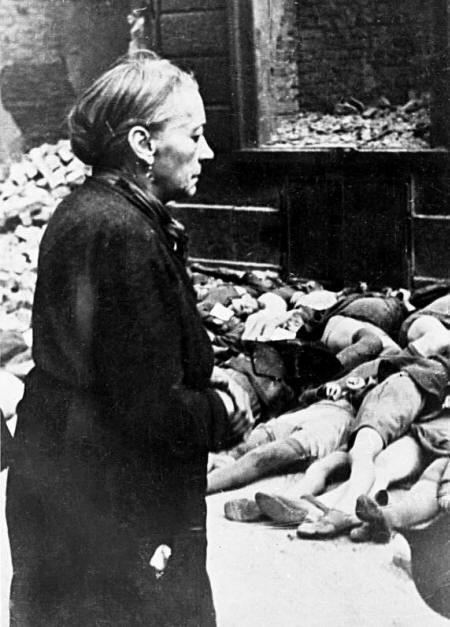
Braunschweig: children among the dead
1945
Even when the end of the war was already foreseeable, the destruction of German cities continued and caused hundreds of thousands of civilian casualties.
7 January 1945, Hanau
17 January 1945, Paderborn
3 February 1945, Wiesbaden
5 February 1945, Bonn
5 February 1945, Regensburg
14/15 February 1945, Chemnitz
16/19 February 1945, Wesel
16 February 1945, Regensburg
22 February 1945, Worms
22 February 1945, Hildesheim
23 February 1945, Schwäbisch Hall
4 March 1945, Ulm
5 March 1945, Chemnitz
7 March 1945, Dessau
10 March 1945, Scholven-Buer
22 March 1945, Hildesheim
25 March 1945, Münster
25 March 1945, Osnabrück
30 March 1945, Wilhelmshaven
7 April 1945, Dessau
7 April 1944, Nordhausen
8 April 1945, Halberstadt
10 April 1945, Plauen
14 April 1945, Potsdam
25 April 1945, Wangerooge
25 April 1945, Berchtesgaden
During the final three and a half months of the war, when the military outcome was largely decided, more than 130,000 people were killed by bombing or strafing in German cities — or in what remained of them.
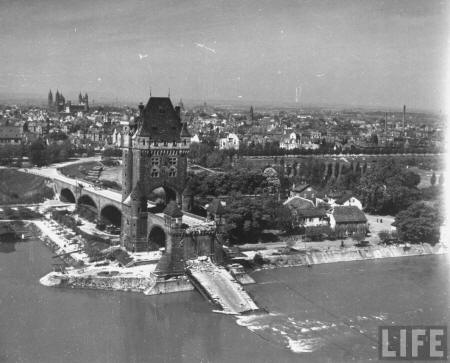
Worms
The Anglo-American air campaign struck a total of 161 German cities.
According to the interpretation presented here, the majority of the more than 1.4 million sorties flown against Germany were directed primarily at civilian urban areas rather than military or industrial targets.
In addition to the cities already mentioned, the following towns lost more than 50 per cent of their housing stock:
Friedrichshafen
Pirmasens
Prenzlau
Offenbach
Bad Kreuznach
Siegen
Rheine
Bocholt
Hagen
Frankfurt an der Oder
Donauwörth
Other towns that suffered severe damage included:
Neumünster
Offenburg
Reutlingen
Straubing
Fulda
Wetzlar
Ingolstadt
Neuss
Oberhausen
Minden
etc.
Nor should the many smaller communities be forgotten, including villages in the Eifel region that also suffered heavily.
Almost all of Germany’s major and medium-sized cities had historic centres dating back to the Middle Ages. Their old quarters contained Romanesque, Gothic, Baroque and Neoclassical churches, civic buildings and monuments, while many towns were characterised by distinctive streets of stone, timber and slate. Much of this architectural heritage was destroyed. In the post-war decades, many ruined city centres were rebuilt rapidly in the functional style of the 1950s, fundamentally changing the historic appearance of German cities.