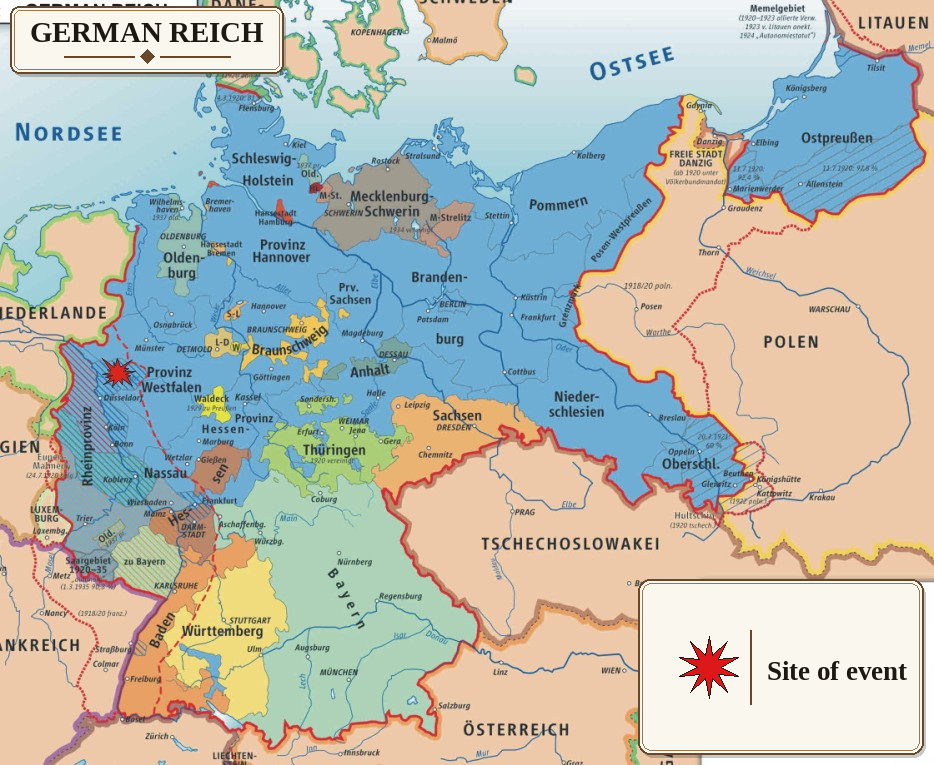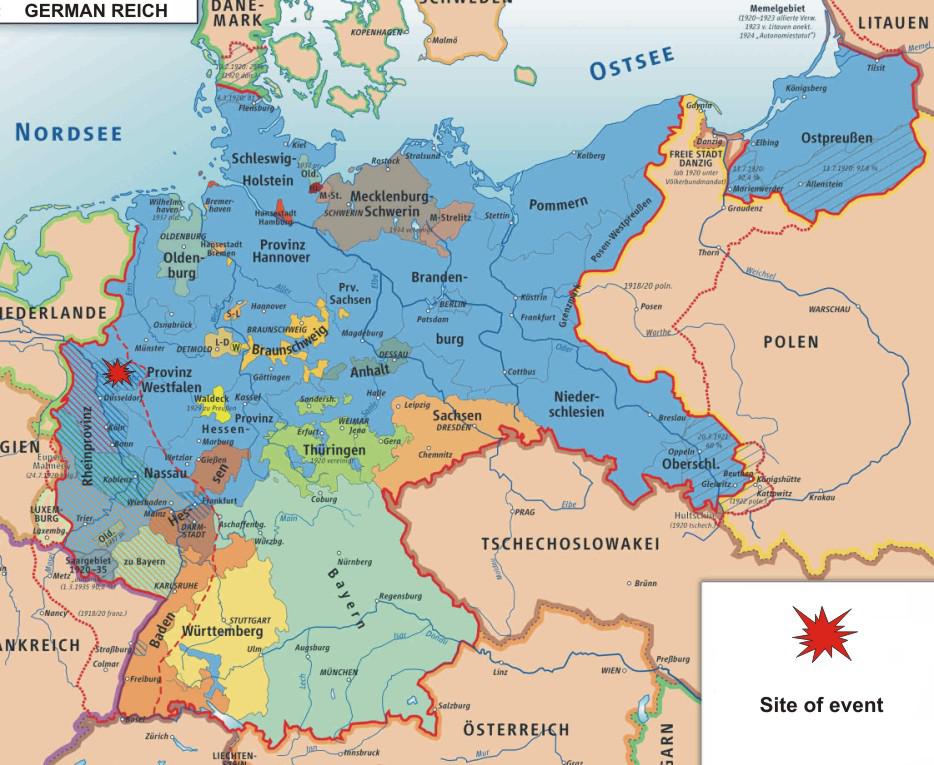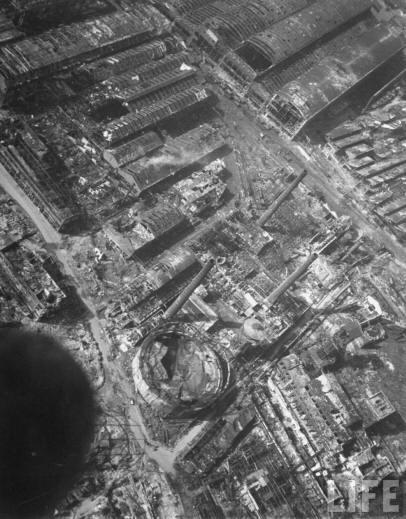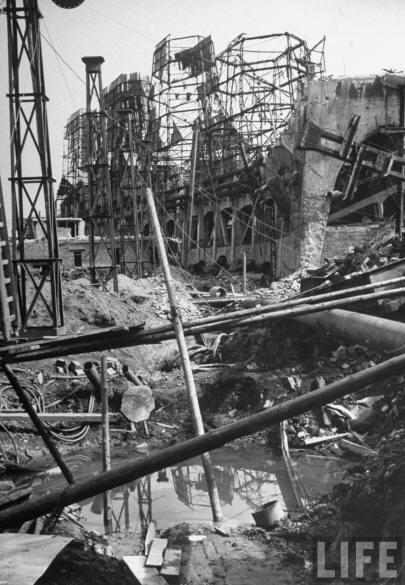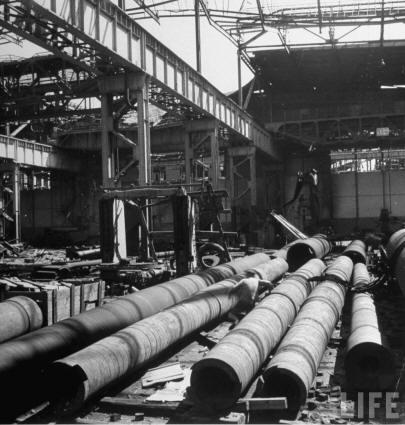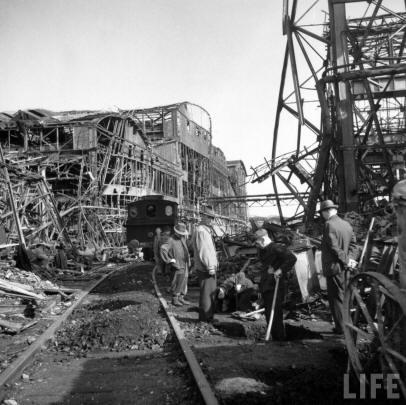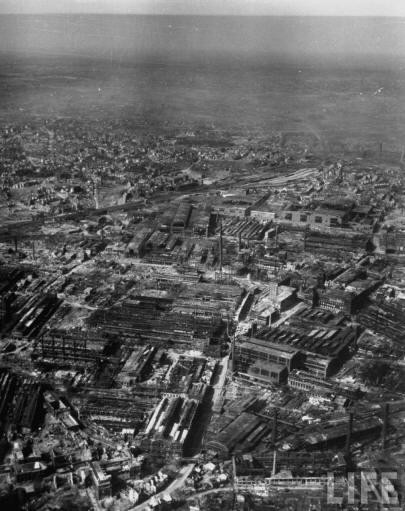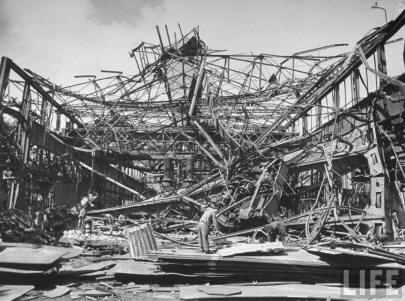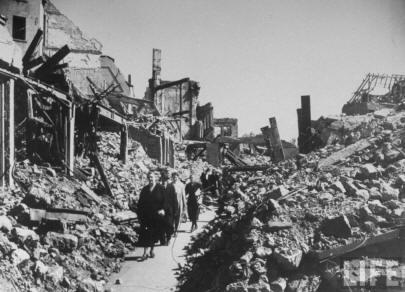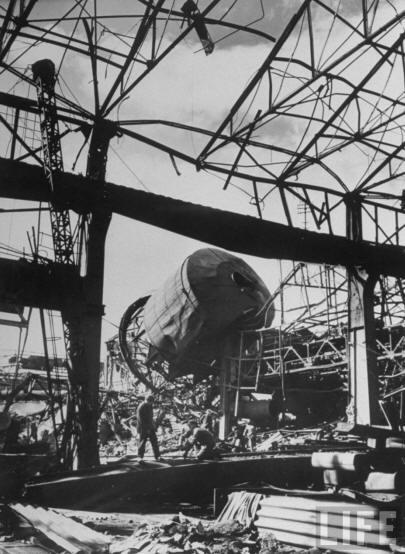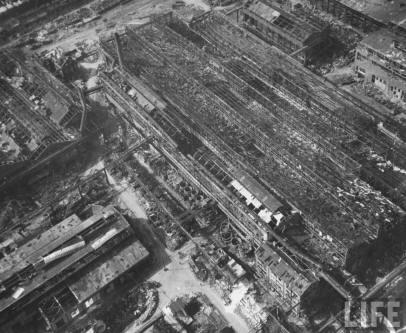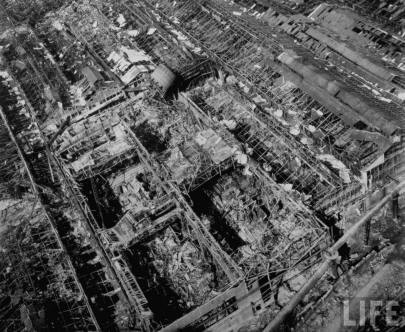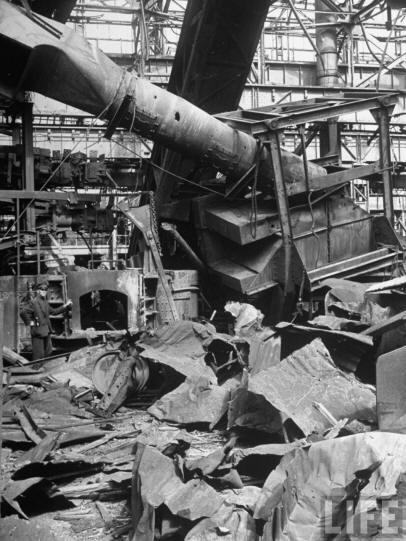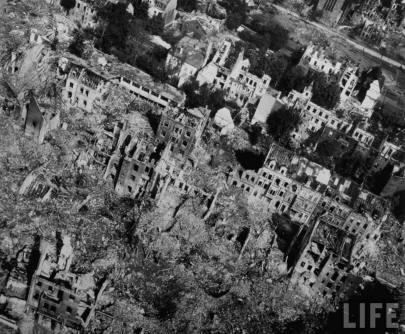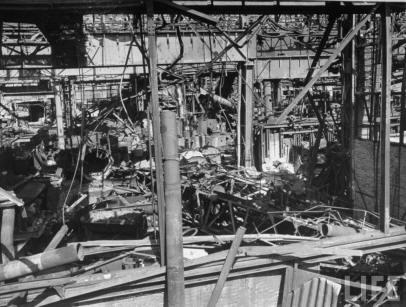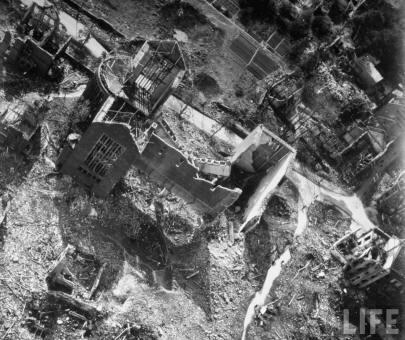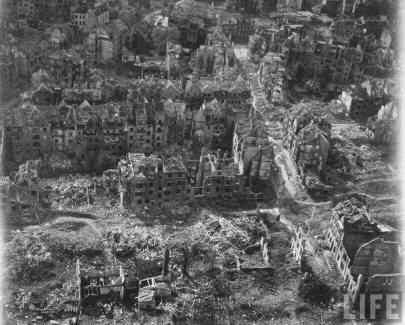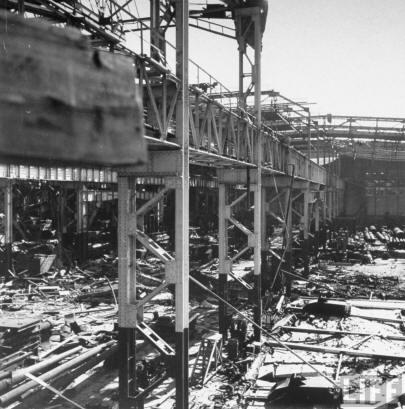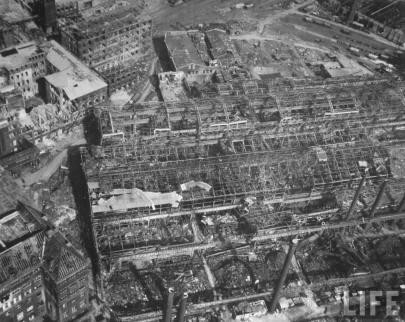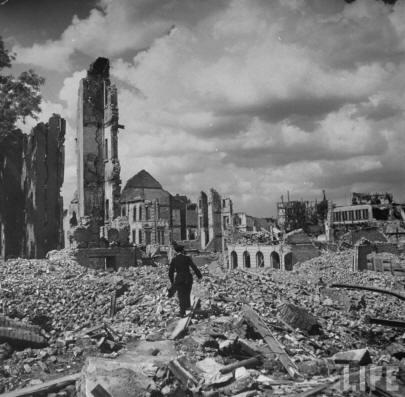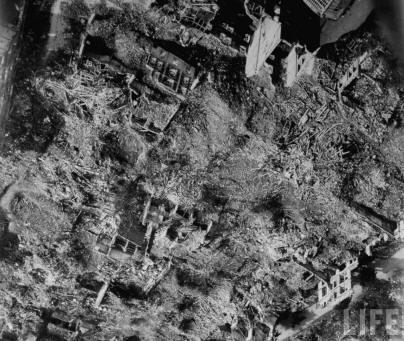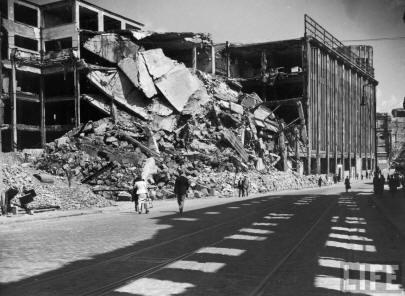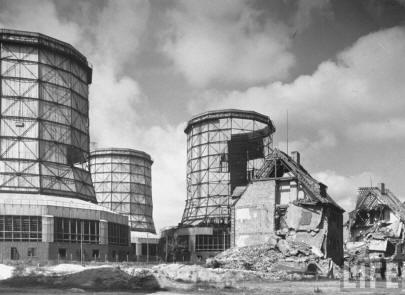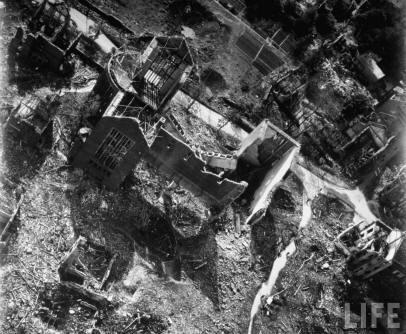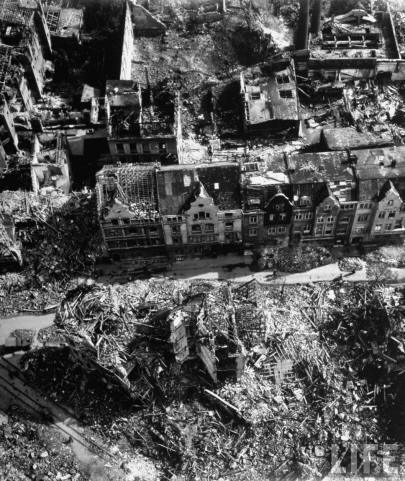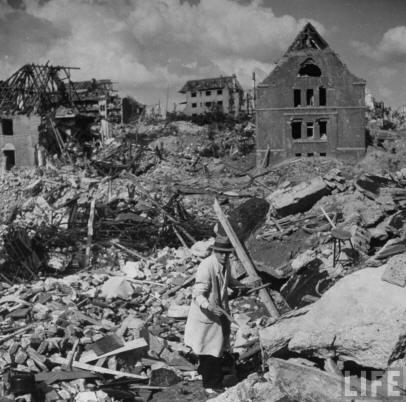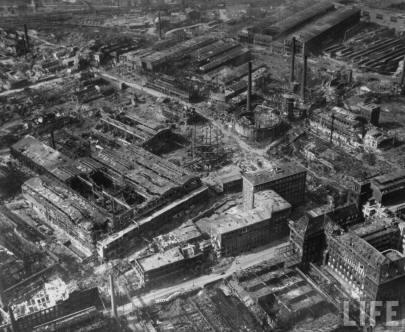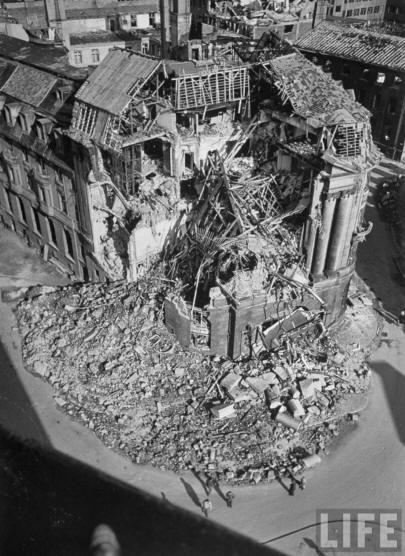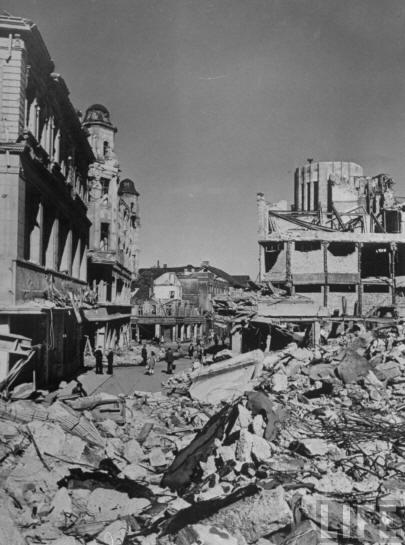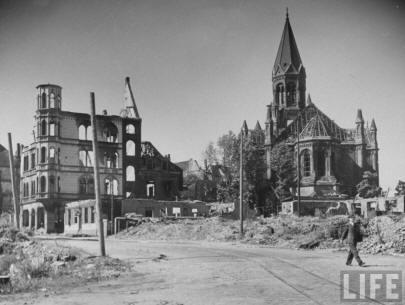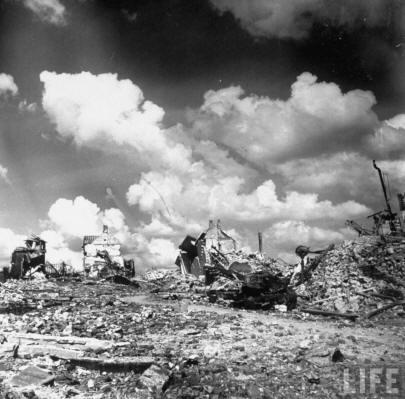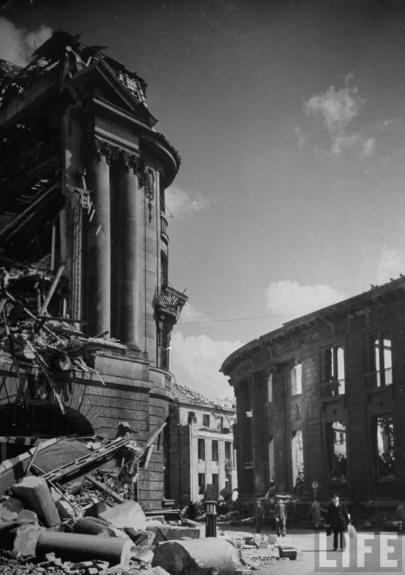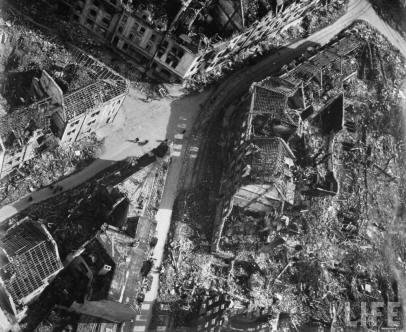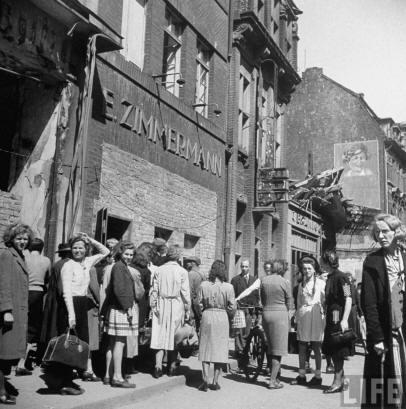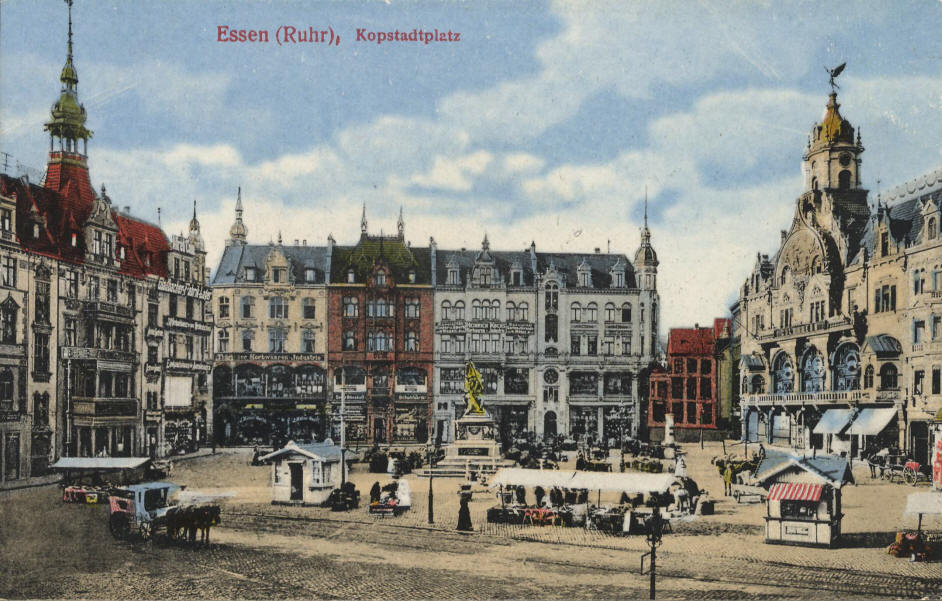
Essen was one of Germany’s most important industrial cities. Tens of thousands of steel and industrial workers and their families lived in the densely populated Ruhr city. Because of its heavy industry — especially the Krupp works — Essen became a major bombing target and was attacked 272 times.
Heavy bombing took place on:
29 August 1940,
7 November 1940,
3 July 1941,
7 August 1941,
12 August 1941,
31 August 1941,
10 October 1941,
4 November 1941,
8 March 1942,
25–27 March 1942,
6 April 1942,
10–13 April 1942,
1–3 June 1942,
8 June 1942,
16 June 1942,
16 September 1942,
3–8 January 1943,
11–13 January 1943,
5 March 1943 with 442 bombers and 457 deaths,
13 March 1943 with 457 bombers and 648 deaths,
4 April 1943 with 348 bombers and 143 deaths,
1 May 1943 with 305 bombers and 53 deaths,
28 May 1943 with 518 bombers and 196 deaths,
26 July 1943 with 705 bombers and 541 deaths,
27 March 1944,
27 April 1944,
24 October 1944,
25 October 1944,
29 November 1944,
13 December 1944,
23 February 1945,
11 March 1945
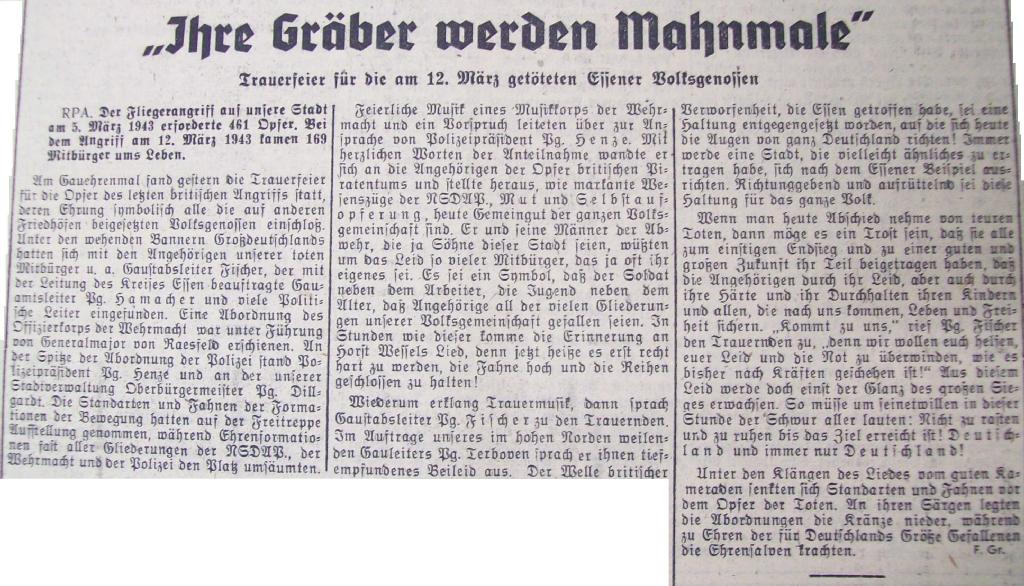
“Their graves will be memorials” — article in a contemporary German newspaper
In the final major raid, shortly before the end of the war, about 4,600 tons of bombs were dropped, killing 897 people according to the figures given here.
7,500 dead
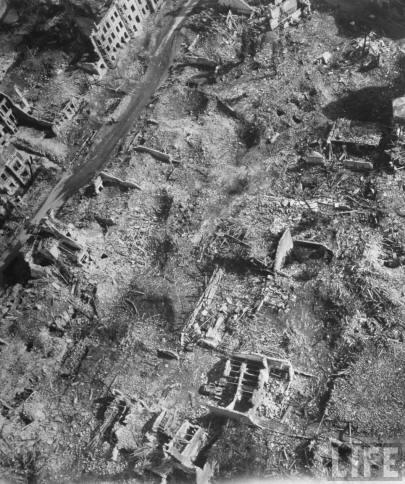
By the autumn of 1944, repeated raids had already reduced much of the Ruhr’s urban centres to ruins. A renewed wave of attacks then struck suburban districts that had previously escaped the worst damage. From February 1945 onwards, fighter-bombers increasingly attacked railway stations, trains, trams and buses, leaving civilians with little warning or protection.
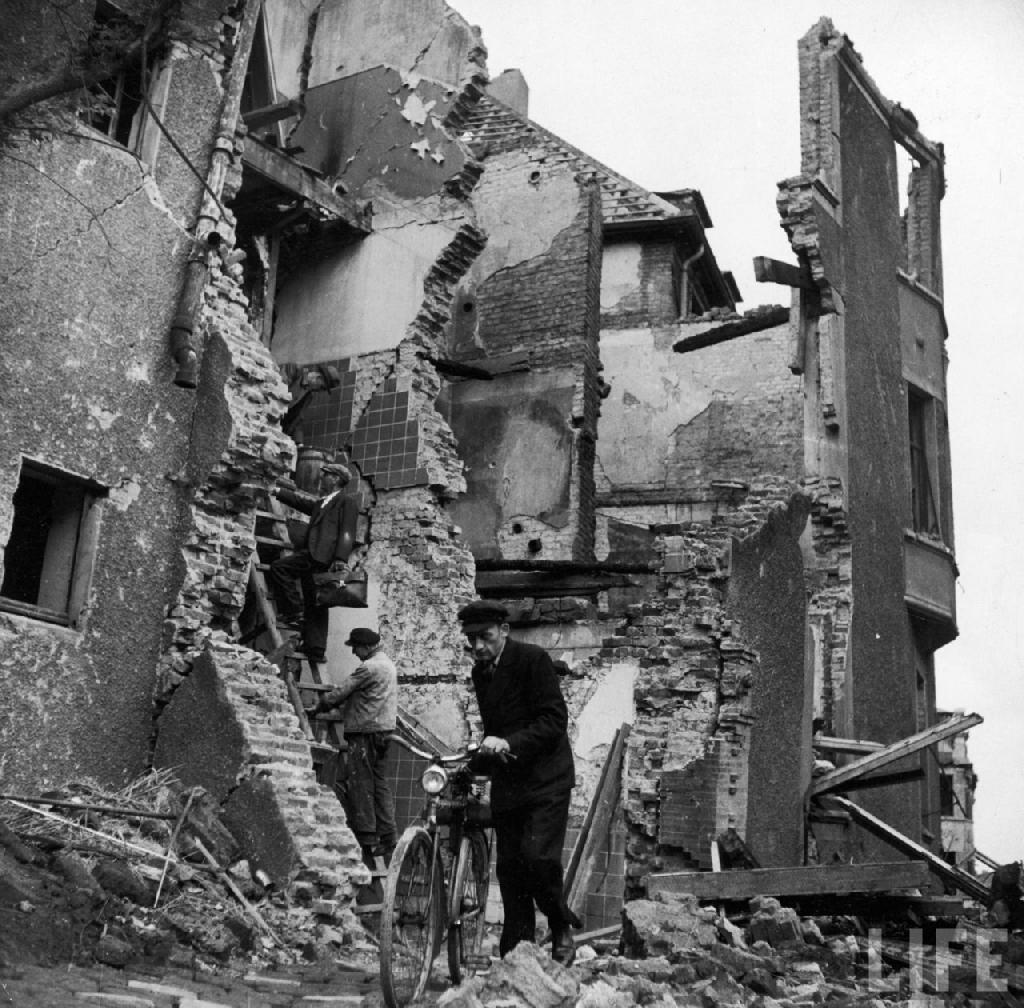
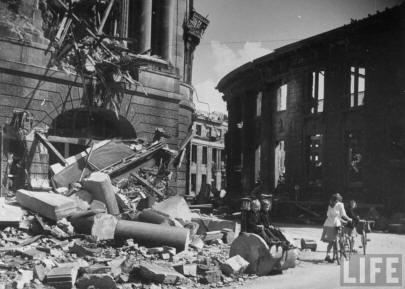
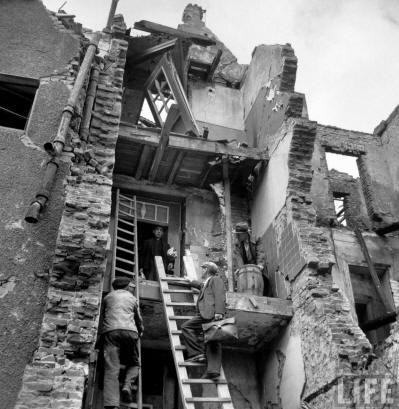
By the end of the war, large parts of Essen had been destroyed and around 100,000 homes had been lost.
British newsreel about a night raid